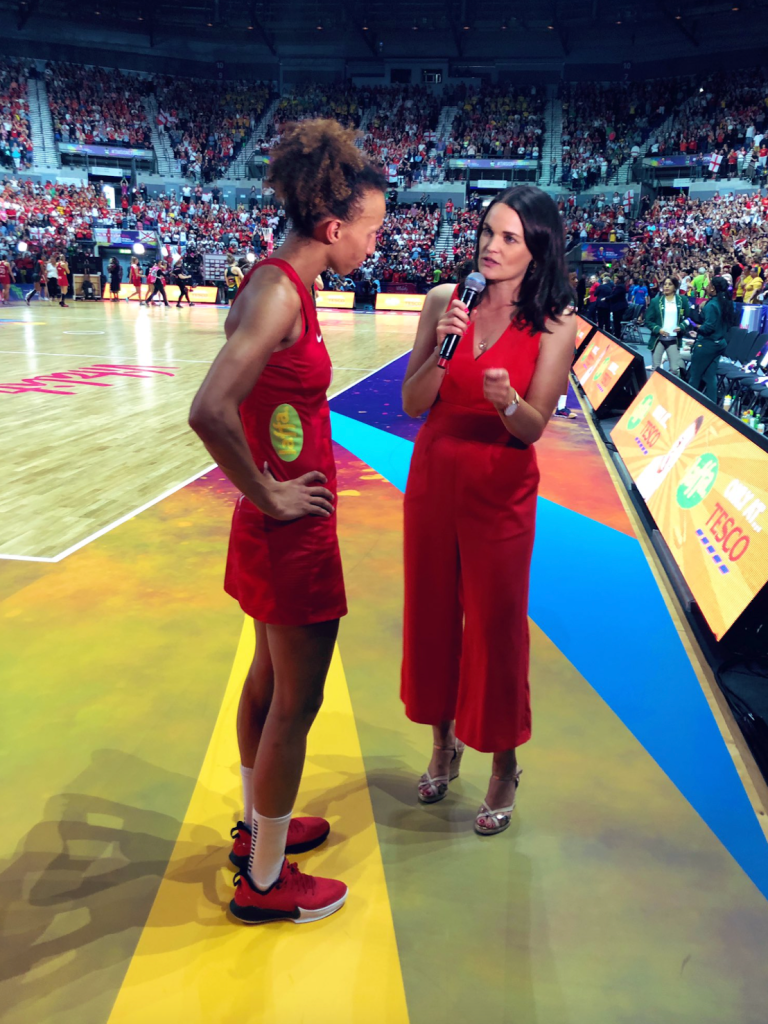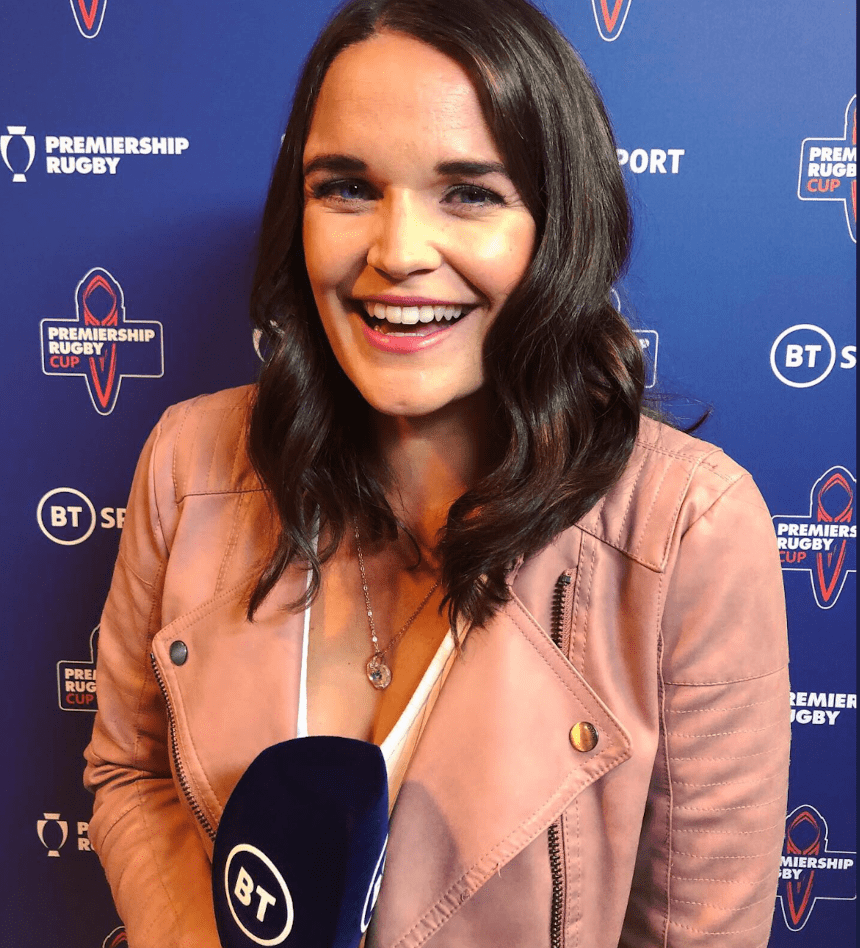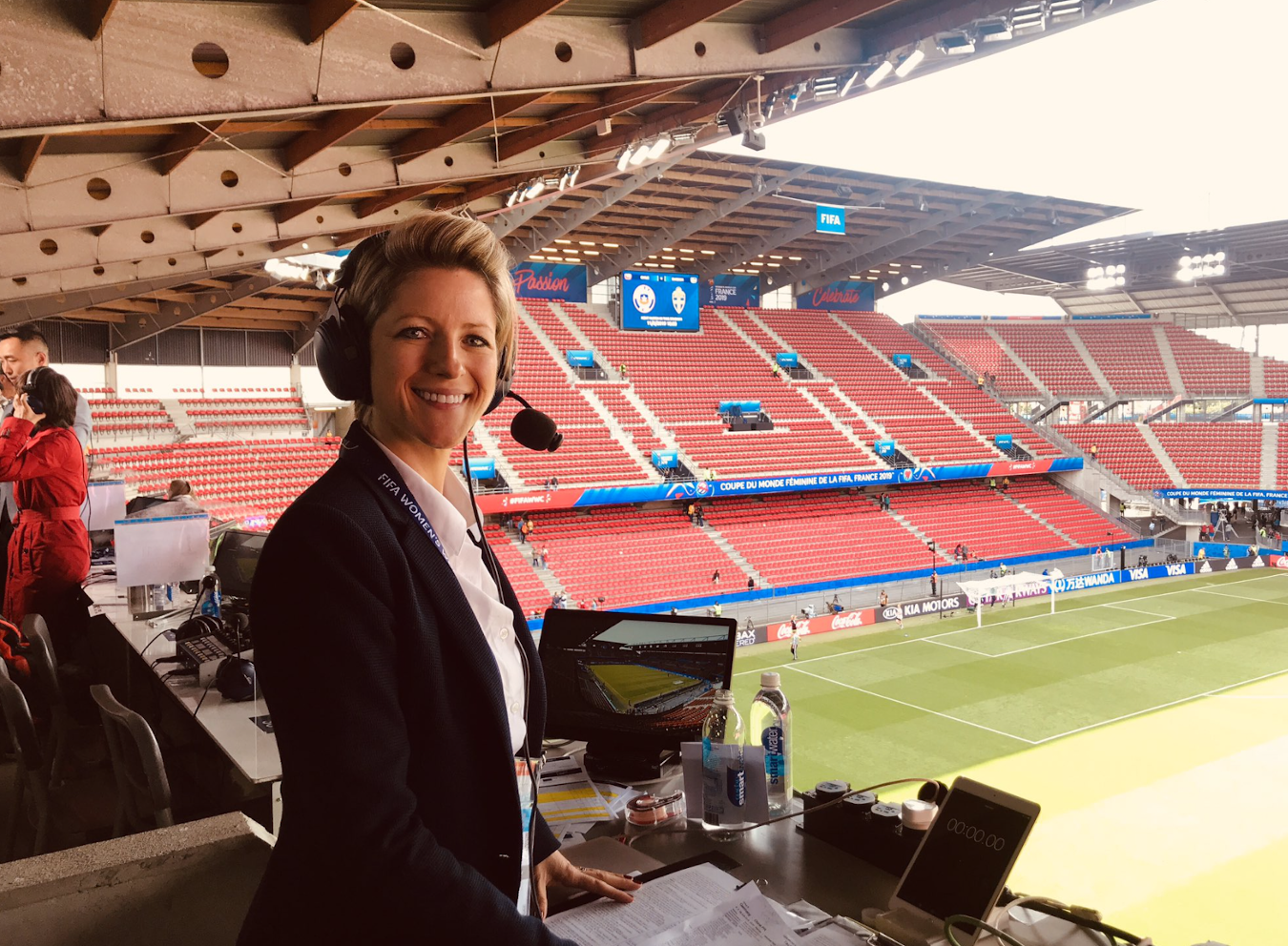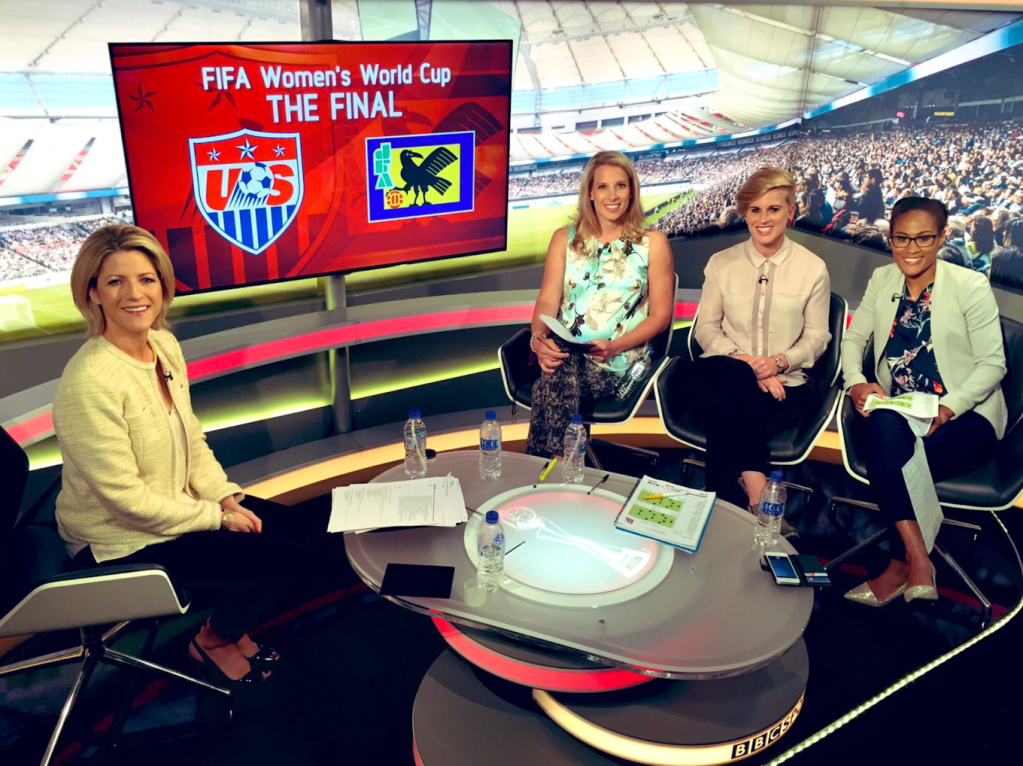
The future is female: The young women looking to change the sports media industry for the better

Sport is a place for women too, it’s about time we show it.

The lure of sport is hard to resist. It’s entertaining, it’s raw and athletes put so much work, emotion and time into one moment on the biggest stage.

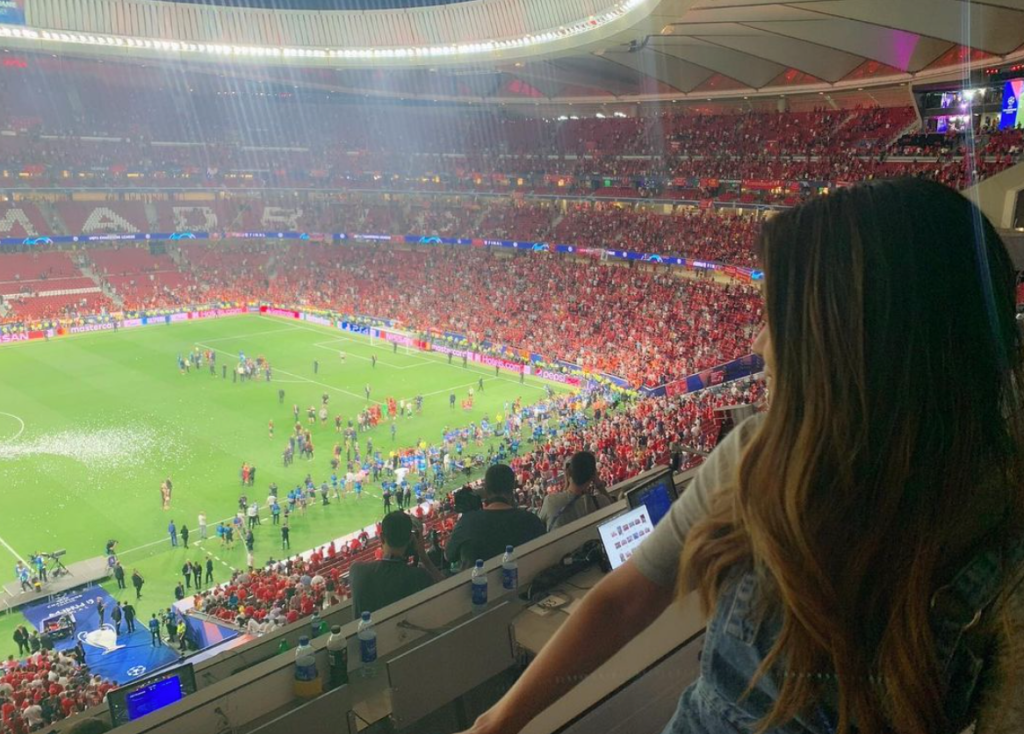
There are so many stories to tell, and I want to be able to tell those stories. I’m lucky enough that I feel like I can, despite being a girl in a so-called ‘man’s world.’

It hasn’t always been this way, for so many years sport felt untouchable for most women, breaking into this industry felt nearly impossible, most young girls wouldn’t have given Sports Journalism a second thought.

That’s changed, more women are cropping up on screen at the biggest sporting events, we’re gradually starting to see more female bylines in newspapers – there has been a real shift and it’s refreshing to see.

We, as aspiring young journalists, are no longer starved of role models in this industry, which has played an integral part in the growth in numbers of women reporting on sport.

But I’m aware of the challenges, I’m aware of the difficulties I’ll face as I look to pursue a career in the sports media, I’m aware I’ll be in a minority.

Sports Journalism courses are growing in popularity at universities up and down the country, but women are still vastly outnumbered in the lecture halls.

I’m one of six girls in my cohort at the University of Gloucestershire, and I consider myself lucky as some girls are only one of two or three – or in some cases, they’re the only girl.
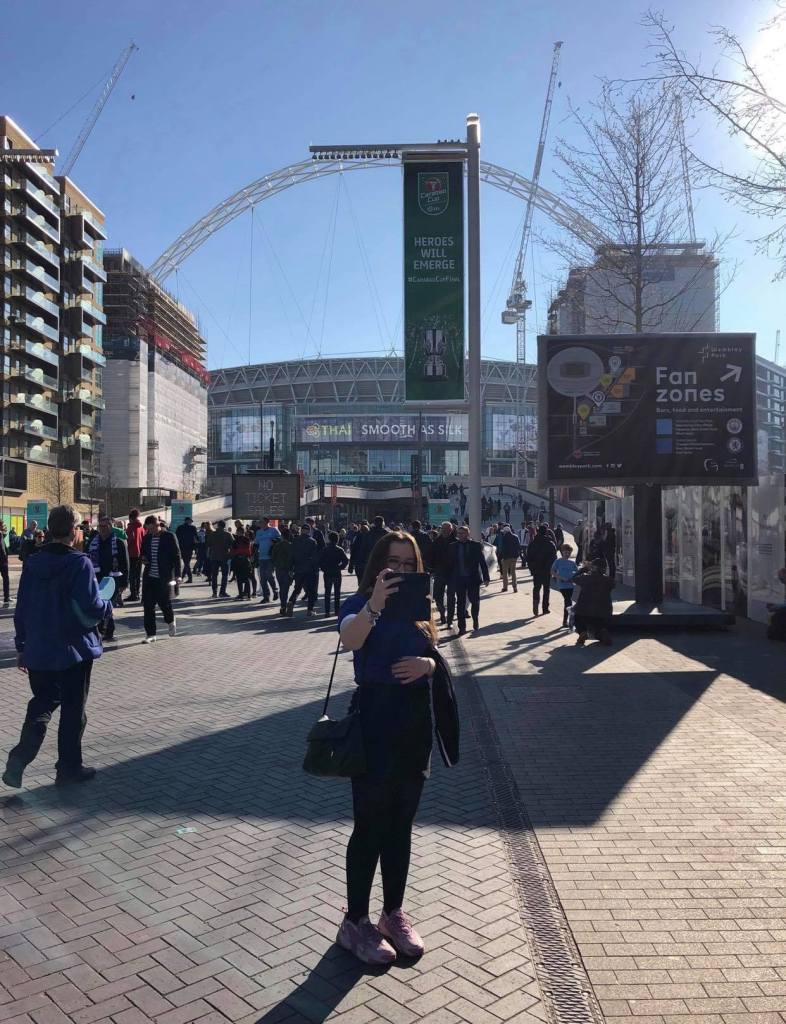
21-year-old Emma Hartley is also an aspiring reporter, and with a passion for football and Chelsea, she decided to study Football Journalism at the University of Derby as she looked to turn her hobby of making YouTube videos into a career.

After starting her YouTube channel ‘Emma CFCTV’ back in 2016, Hartley’s social media following has skyrocketed to an impressive 22,000 followers on Instagram and over four and a half thousand subscribers on YouTube.

But, by putting herself out there, she’s opened herself up to significant amounts of online abuse.

“As I started to grow my following and start my YouTube channel, my experiences did change on social media but that also goes hand in hand with going to the ground,” Hartley says.

“The social media abuse has gotten worse as I’ve grown up, I don’t know if people think that when you’re older they can throw more abuse at you rather than when you’re a teenager.

“It was never at the stadium, I’ve never received any abuse at a football ground, it’s always been on social media.”
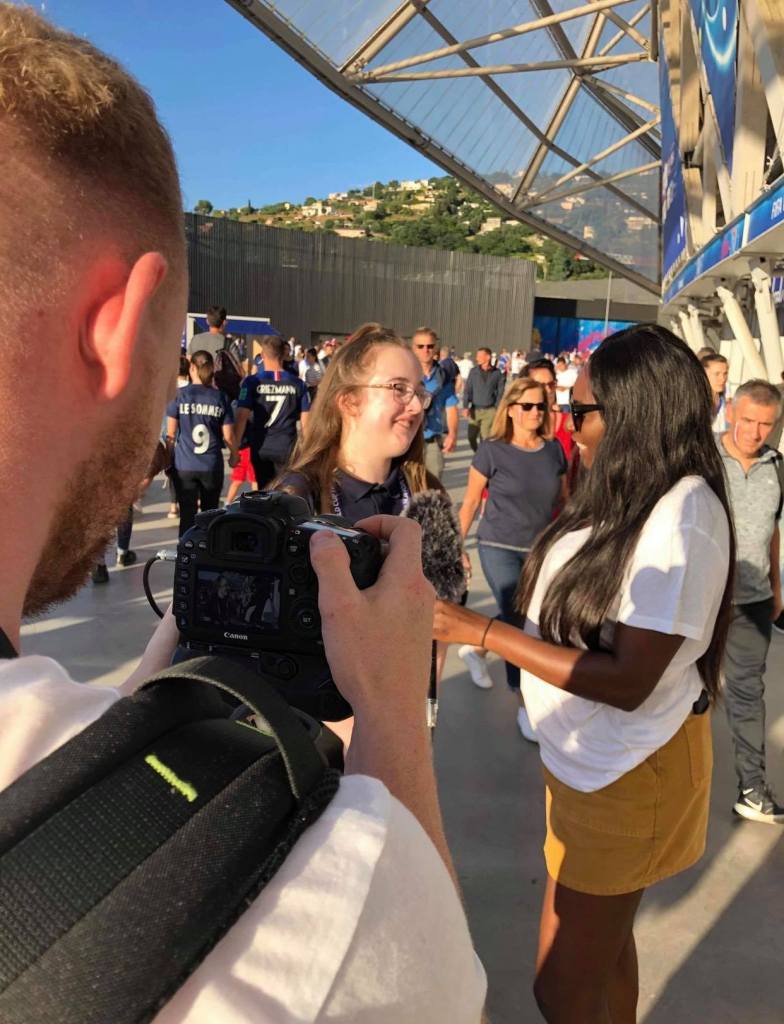
Hartley’s confidence has allowed her to push through years of online abuse, both from people she doesn’t know and classmates at school.

“My parents have always supported me, and I feel like that’s why I went onto a Football Journalism degree, but school was really tough; I did receive a lot of abuse from other students, and I was bullied a lot when I started my YouTube channel.

“I remember I used to get shouted at across the hallways and people just took the mick out of me really, it was horrible, and I remember the first couple of videos I put out, everyone at school was sharing them and talking about them and it was such a big deal.

“I don’t know if it was because I’m female and if a guy had done that, I don’t know if it would’ve been talked about as much.

“I tolerated it because I was confident in myself and what I was doing, I knew that it could get me places because my views were impressive, and my social media following was going up, I knew where I wanted to go in life and these people at school were not going to affect my confidence!”

But not every young, aspiring journalist embodies the same confidence as the Derby University graduate, and criticism from such a young age, being made to feel strange for pursuing a passion in sport and football, is likely to deter many other women.

Aside from social media, the gender imbalance is something that needs to be addressed, very few girls will want to join a Sports Journalism course knowing they’ll be so vastly outnumbered.

“There weren’t any females when I visited Derby and you just think ‘oh my god, I’m the only female in the room’ and it does feel strange,” Hartley continues.

“I was at a mixed school growing up so there was always an even ratio of boys and girls, so it was never something that crossed my mind till I went on those open days.

“When the lecturers asked if we had any questions, one of mine in private was whether there were other girls applying for the course. It did bother me, but thankfully there were other girls that had applied and there is four of us on the course right now.

“To improve, they can definitely use the girls that are already on the course to tell their stories to future students.

“At Derby, there are around three or four girls in each year and if we shared our stories more, that would appeal to more females, so aspiring sports journalists will then look at these courses and think ‘actually, there are all these girls on the course, I want to do it as well’.”
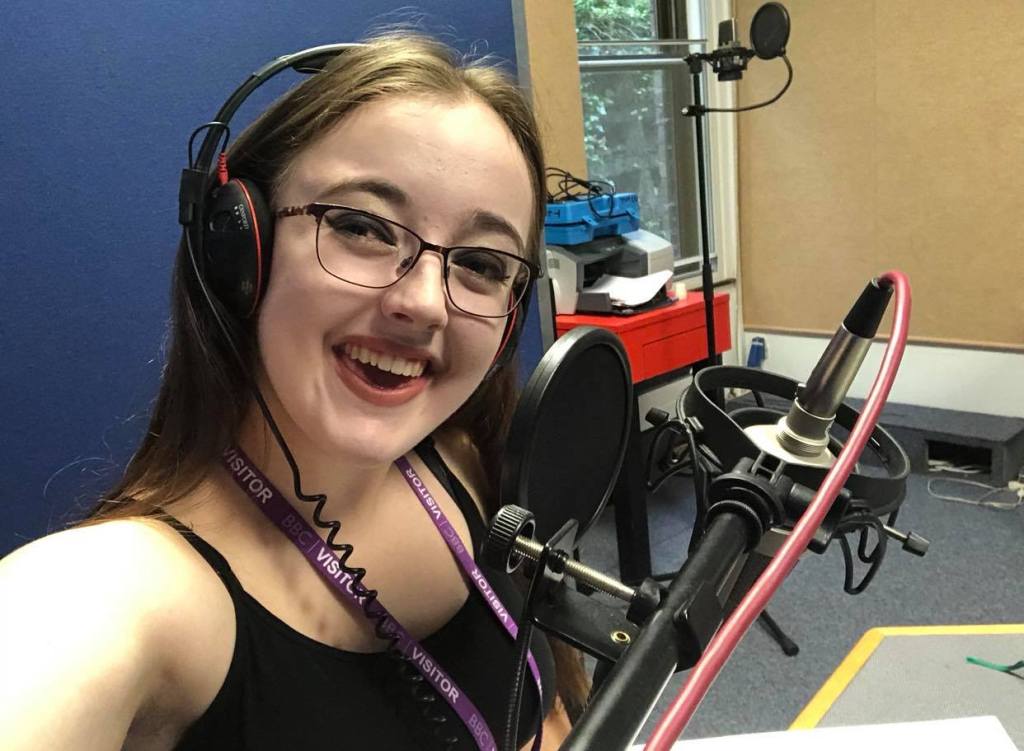
But the pressure young women face on male-dominated degrees doesn’t stop there, which means the work cannot stop there.

Abbey Conroy graduated with a Sports Journalism degree from the University of East London in the summer of 2020 and is looking to find her feet in the industry.

The early days of her studies were met with plenty of struggles for herself and her female course mates, as they were left feeling like they weren’t taken seriously by their male counterparts.

Brought up in a sport-crazy household, with a childhood following both football and motorsport, she was more than equipped to pursue a career in the industry – yet she was made to feel like it wasn’t her place.

“Before I started my first year, I was terrified, and it started off quite bad with some comments from people on the course,” says Conroy.

“It was quite hard to take at the start, because everything was so new, so to start getting comments before we’d even started properly doing anything, I didn’t want that to be the rest of my career, I didn’t want to be dealing with that.

“On the first day someone came into the lecture and started asking all the boys what sports they were interested in, and when it got to girls, they were just like ‘why are you on the course?’

“We were there for the same reason as all the boys! And when we had discussions about women’s sport, they made comments like ‘oh it’s rubbish,’ ‘we don’t like it’ and it turned into a joke for them.

“The start of first year became a bit like us and them.

“The first time it happened it was awful, it really impacted me and the first half of first year, I was contemplating dropping out and finding something else to do.

“It definitely motivated me a lot though, the lecturers got involved and encouraged us to not let it get to us.”
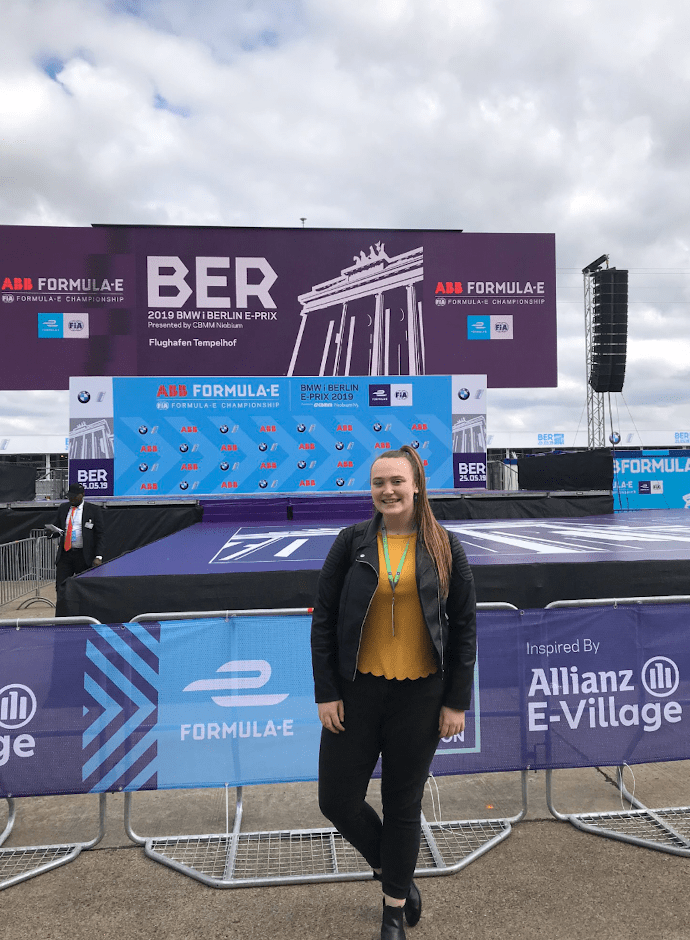
Universities alone cannot transform an entire industry, and organisations like BCOMS (The Black Collective of Media in Sport) have set up programmes like the Diversification of the Sports Media Programme, which aims to uplift individuals from underrepresented groups and give them a boost in their career.

In the final year of her degree, the 22-year-old took part in the programme and attended numerous masterclasses across London, interviewed people such as Jose Mourinho and made vital industry connections.

“I saw the programme advertised on my Twitter feed and during my first year, Leon came into the university and he spoke about BCOMS and it stuck in my mind what they were all about.

“It seemed like a great opportunity to go for and to be able to network with so many like-minded people, it was everything that excited me about journalism.

“I loved every masterclass, everything we did was so exciting but one of the standouts was getting to interview Jose Mourinho at the end of last year.

“I never expected to have an opportunity like that and because I wasn’t that involved in men’s football and hadn’t covered it that much, I proved to myself that I did have the knowledge and could get through stuff like that.
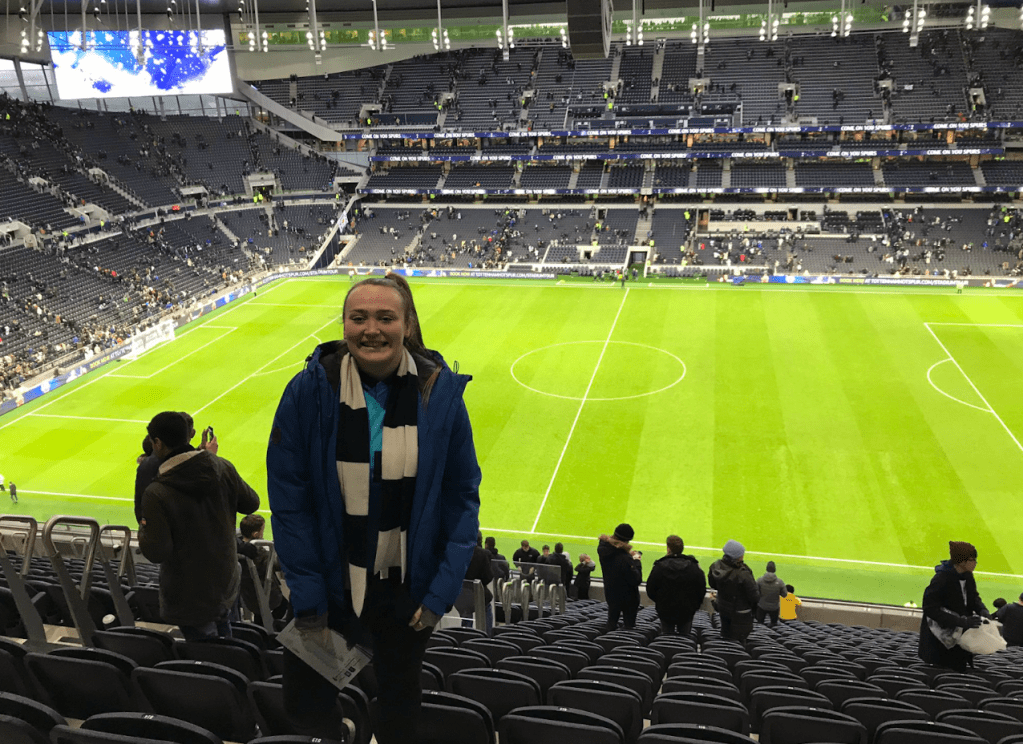
“I enjoyed meeting everyone, everyone was so nice and supportive and even now, if you post something, they’ll congratulate you and share your work, we also share job opportunities.

“It’s just so nice and the community around it, it’s such a nice side of the industry and everyone is included and celebrated.

“It’s what the industry has needed for so long. I don’t know why the industry has been so un-diverse for so long and it’s good that people are getting opportunities that they might not have gotten before.

“You can see that they are making an impact, some of the people that have graduated from the course, even from the cohort I was in, are working in the industry now.”

Whilst there is still a long way to go before women are truly respected in this industry, and before you can walk into a Sports Journalism lecture and see more than just a handful of females in the room – it’s a topic of conversation and everyone is striving towards it.

Universities can only offer places to girls that apply for their courses, but they can also put initiatives and bursaries in place to actively encourage female applicants, and that’s something they strive to do at the University of Derby.

“In my 30 years in this industry, things have changed a lot and for the better,” says Peter Lansley, a lecturer in their specialised Football Journalism course. 

“We launched the degree  in 2016, so we’ve just hit five years and in terms of gender representation, we’ve got our best numbers this year with eight girls.

“We are now benefitting this year from the Women’s World Cup in 2019 and the numbers for September are looking good, too. I can’t give any definite numbers yet but I’ve definitely come across another eight names in applications.

“The bigger the profile of women in sport, the better it is for us. This summer Kelly Somers will be the BBC’s touchline reporter at the Euros, so people will look to her and think, ‘wow, I could do that!’

“We have a scholarship for women’s footballers who want to come and study football journalism, we’ve got three scholars across the three years, if they’re a decent level they can play for Derby County and study the course alongside it.

“It’s one of the best scholarships in the country for people interested as they get their tuition fees paid for them.

“The rest of the university doesn’t provide those sorts of scholarships, we’ve had Olympic trialists get close to three quarters of their tuition fees paid but not the full amount, yet this year we’ve had zero applicants.

“We’re pushing it, we’re making another promotion video and we’re going through all the regional talent centres, where there’s WSL clubs, if they’ve got 16/17-year-olds dropping out and looking to go a level below, we say can say ‘right, you need a dual career.’”

With every girl that enters a lecture theatre, or chooses to pursue a career in the sports media, however that may be – it’s a significant step in the right direction.

The young women that choose to study these courses may not realise it, but in doing so, they become key players in shaping the industry moving forward.

Growing numbers leads to a louder voice, a voice that is needed, now more than ever.
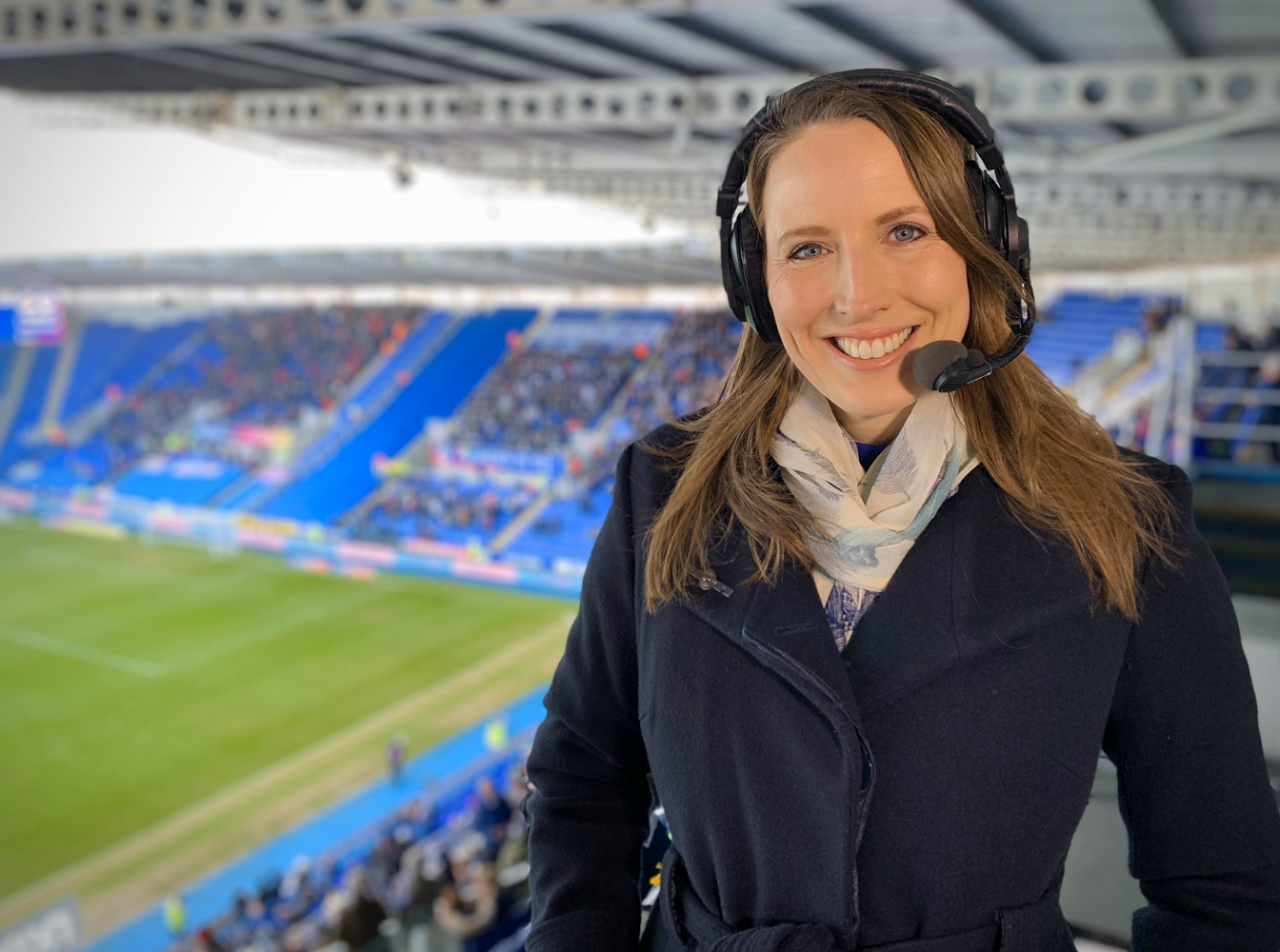
Here’s the thing about being a woman working in the sports media…

Online abuse, being judged on your appearance and feeling unsafe at stadiums – it’s by no means a ‘glamorous job’

Live action, travelling up and down the country and across borders, interviewing the very best athletes and coaches, witnessing some of the greatest moments in sporting history – there is so much to love about being a sports journalist.

That is, of course, if you’re a man.

You’ll be met with challenges in any career, and that’s not to say men in the industry aren’t – but their place is hardly questioned, they’re never going to be told to ‘get back to the kitchen’ and they’re unlikely to ever feel fear for simply doing their job.

For women, it’s a different story.

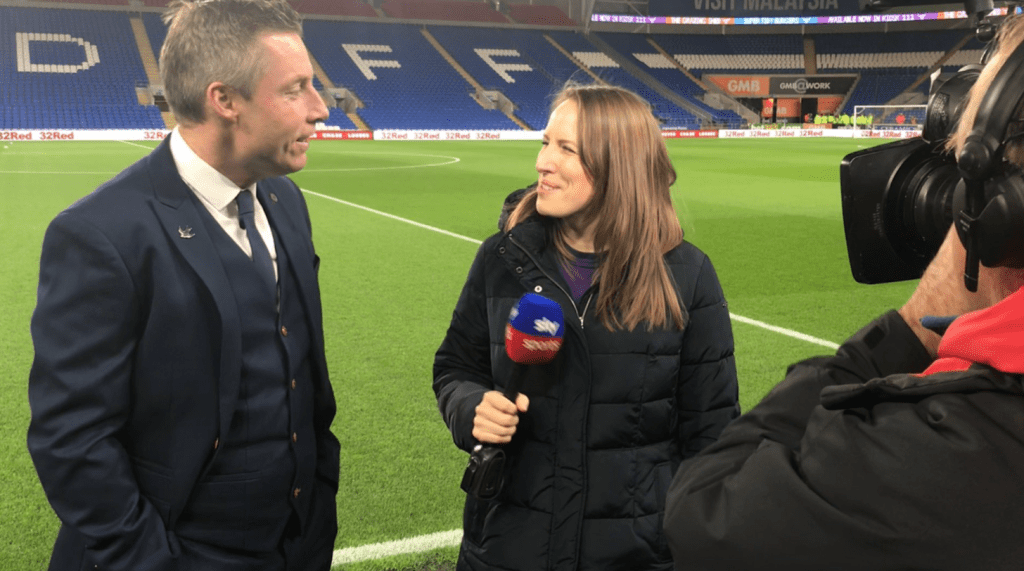
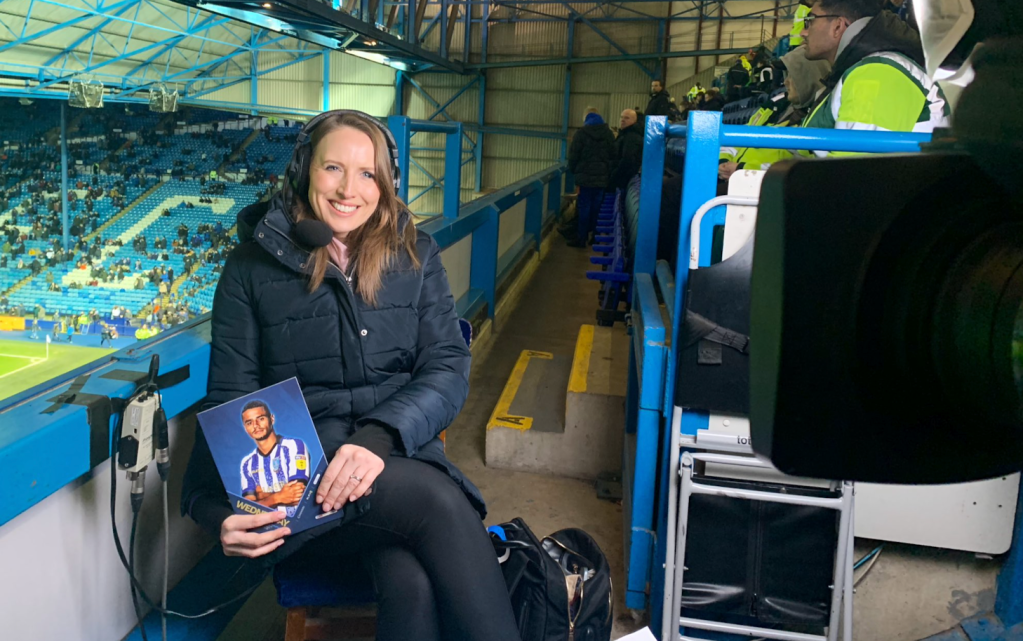
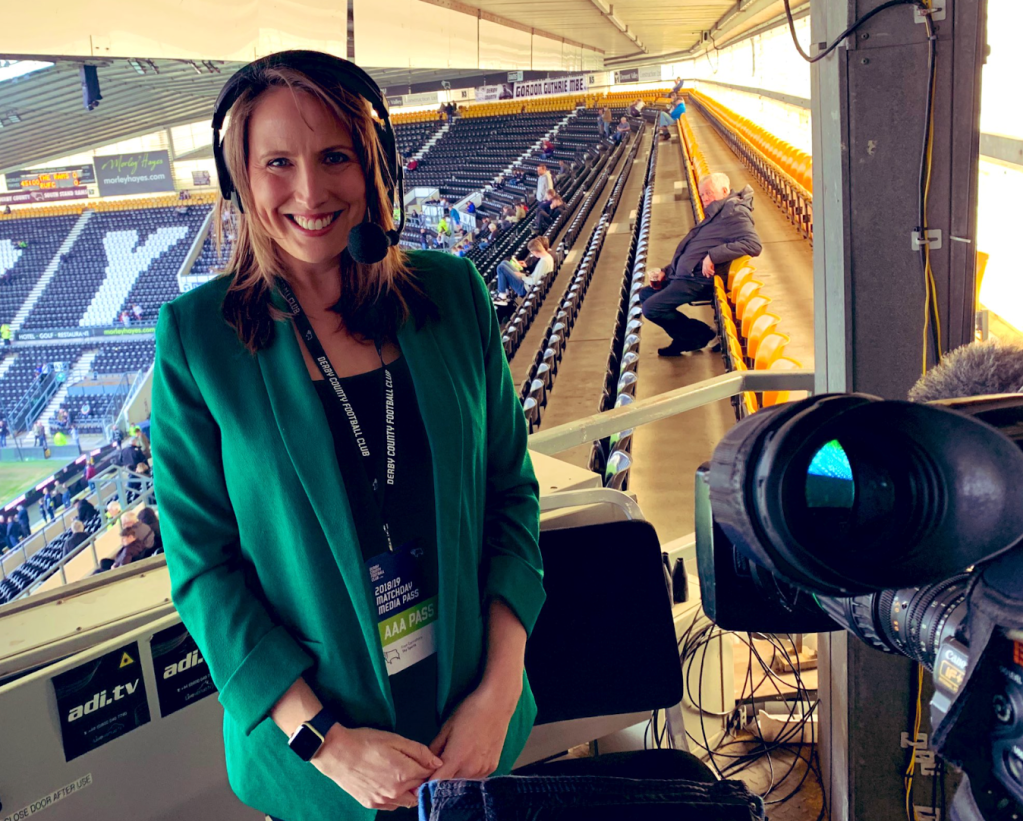
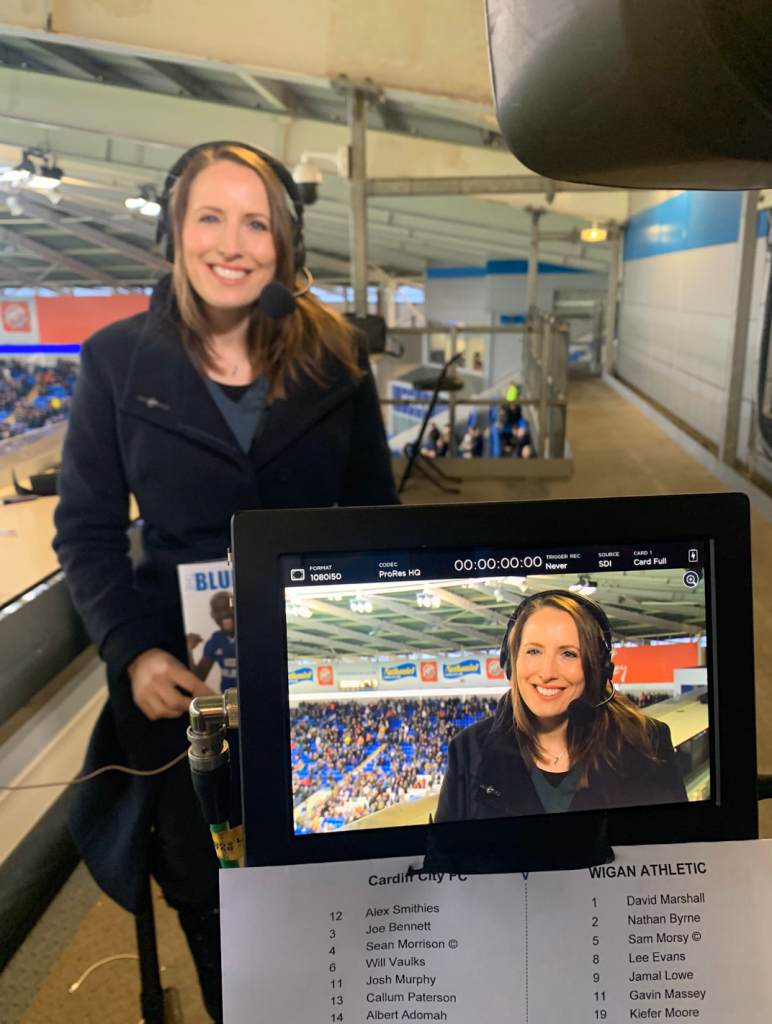
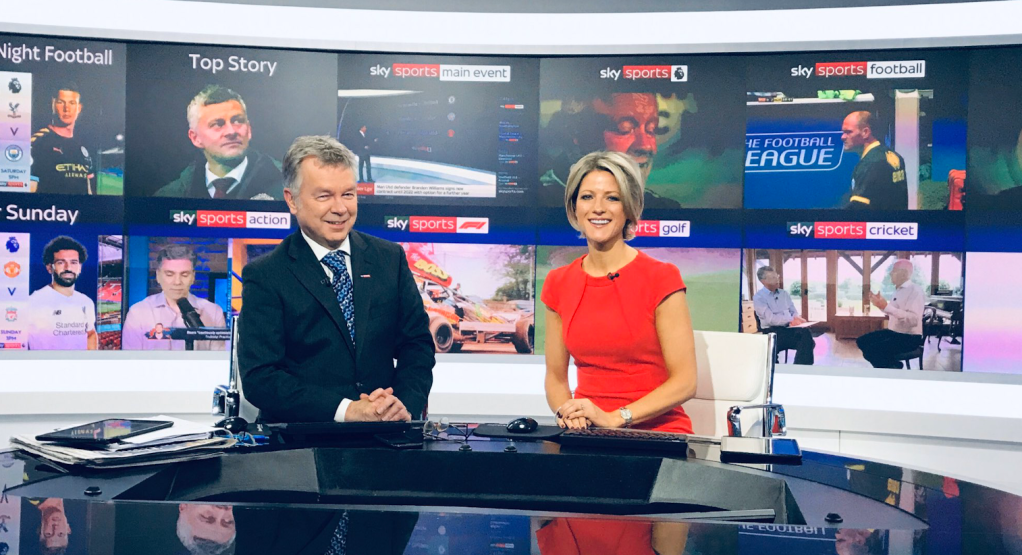
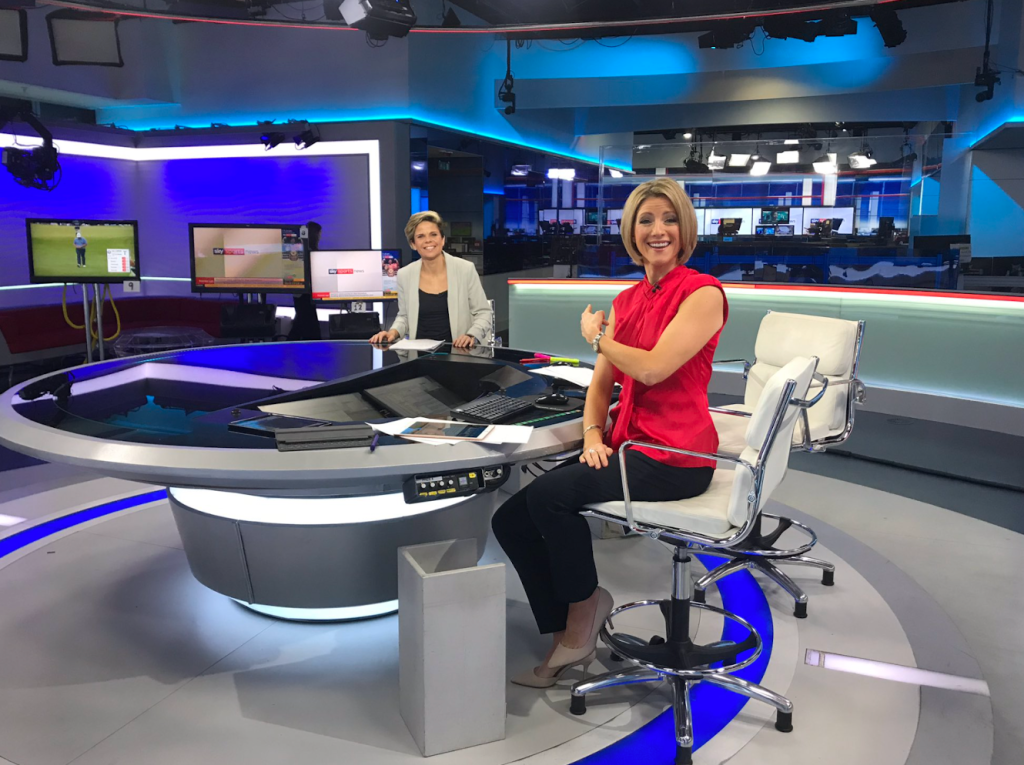
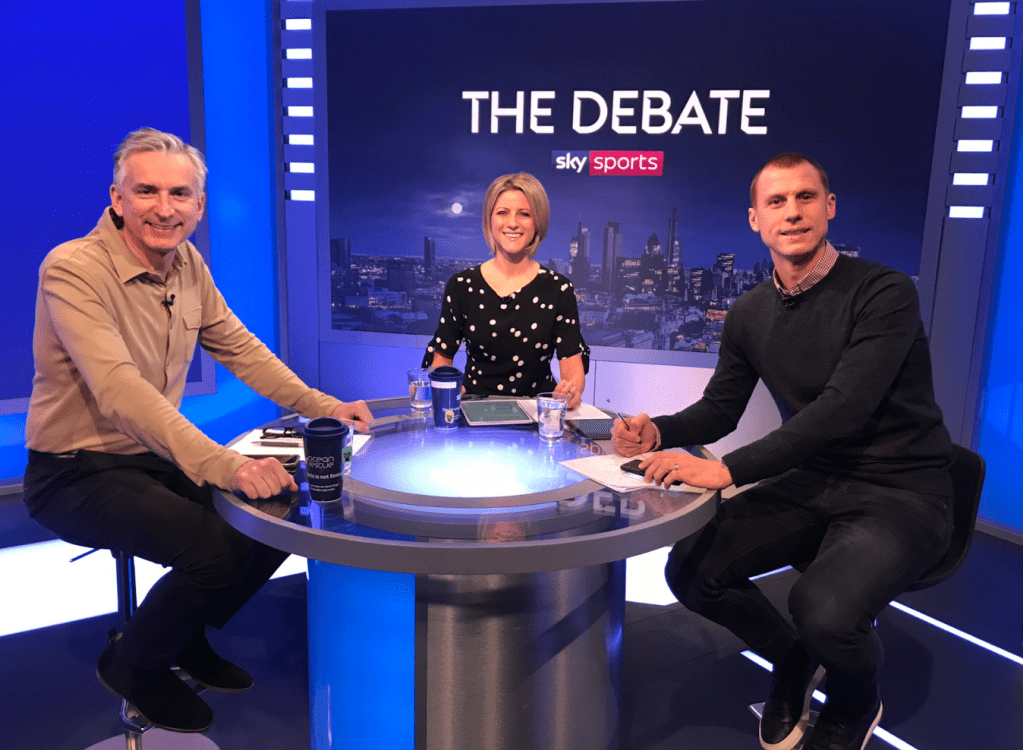
Faye Carruthers is a well-recognised sports broadcaster and a regular on both Sky Sports and TalkSport, but it wasn’t an easy journey to get there.

After studying a Broadcast Journalism degree, she was always told she had a ‘fantastic news voice’, and despite being a sports fan from a very young age, she was always discouraged from pursuing a career in Sports Journalism.

Work experience that wasn’t particularly enjoyable left Carruthers questioning whether she wanted to be a journalist at all, but jobs at Sky News as a personal assistant and operating the breaking news ticker allowed her to get her foot in the door at one of the leading broadcasters in the country.

As she worked in the same building as Sky Sports News, she walked through their offices every day in order to get to the canteen. By doing so, she was able to get to know people and opportunities started to present themselves.

After taking a job as a runner, she soon took maternity cover on the assignments desk and eventually returned to journalism with Sky News Radio.

For Carruthers, it wasn’t a case of applying for roles within sports journalism, the early days of her career were spent with a main job that paid her wage and taking on roles in sport to supplement it.

Now a confident broadcaster covering what she loves, she recognises the challenges her younger self faced on a day-to-day basis.

“I always felt that extra pressure when I was younger,” she begins. “I felt as if I had to know more, learn more, have more knowledge, work the harder hours, all of those things to prove myself.

“This industry can make you feel insecure, and I felt quite insecure for a long time. It’s cut-throat, but now I’m confident in my ability and I don’t question that, if I’m faced with something difficult, that I’ll get through it.”

Even for the established, well-known and respected journalists, the challenges don’t stop.

In the social media age, users are able to say whatever they want, to whoever they want, whenever they want, and that can have devastating consequences.

Back in December 2020, former England international Karen Carney was working for Amazon Prime on Leeds United’s’ 5-0 win over West Brom in the Premier League, where she made a comment that the COVID-19 pandemic and lockdown gave Leeds some respite and aided them in their promotion push.

The Leeds official Twitter account posted the clip, which led to huge amounts of backlash and abuse getting sent to the pundit, who eventually took herself off social media as a result.

Difference of opinion and criticism is something anyone working within the sports media industry can expect, it’s part of the job and on the most part, it’s fair – no woman would disagree with that.

However, the type of backlash female pundits and journalists receive, more often than not, is less to do with their opinion and what they say, and more to do with their gender.

“I know that if it wasn’t for my job, I wouldn’t be on social media and I think it’s quite a toxic place,” Carruthers continues, referring to her own experience with social media.

“I said something that wasn’t controversial in the slightest about Liverpool towards the start of the season and it was clipped up and put out on social media on Talk Sport.

“It was taken out of context and I got so much abuse from Liverpool fans that was really upsetting, really personal abuse.

“That’s not okay and it doesn’t matter how thick-skinned you are and how much you know these people are just bots behind a screen, you still read it, you still take it in, you still take it personally.

“For me, if I’ve said something wrong, I will always hold my hands up. What I don’t find acceptable is when people put my gender into the reason that they’re abusing me for having said something wrong.

“My gender has nothing to do with it, I made a mistake because I’m a journalist who’s a human.”

The fear for female journalists doesn’t just lie with social media, simply attending a match or sporting event has led to many experiences a lot of women would rather forget.

In light of the news of Sarah Everard, a 33-year-old who was murdered after leaving a friend’s house in Clapham Common in London, some female reporters chose to share the moments they’ve felt threatened or scared whilst doing their job.

One of the Independent’s senior football correspondents, Melissa Reddy, wrote on the time she was sexually harassed whilst covering the 2016 League Cup final at Wembley.

“As part of my coverage, I have been asked to “capture the atmosphere” with a self-shot video,” Reddy writes. “I’m a minute into my visual preview when it happens. He leans in – and kisses my cheek. “Have a bit of that,” he says, laughing, then jogs on to catch up with his friends.”

But that was only part of it, what she endured once the game had finished whilst she was filming a post-match video was far more disturbing.

“A loud “Hey!” interrupts me,” the Liverpool-based journalist continues. “I turn around to see five men. One, approaching me, asks: “Do you want to see a firework?” before pulling out his penis and wildly pissing, getting urine on his trousers and trainers.”

Reddy went into detail on one experience in her piece, but there are countless more from her time working as a Liverpool, and now senior football correspondent – other women in the industry have their own stories to tell, too, of their safety being compromised whilst they’re doing their job.

“My camera man is my safety, usually, and they’re all amazing,” Carruthers begins, referring to her own experiences covering games. “It can get a bit hairy on the gantry’s, especially where the fans are literally right behind you, and I’ve had a few incidents, drunken fans getting very handy.

“I’ve said this, I was on a Women in Football Clubhouse event the other week, we were talking about Melissa’s piece, I feel a little bit of shame and complicity in some ways for having not called stuff out in my career much earlier, because I didn’t feel as if I could.

“I didn’t feel as if anybody would listen, I felt as if it would be to my detriment and all I wanted to do in my job was fit in, not stand out, I didn’t want to draw any unwanted attention to myself.

“Unfortunately, in all those situations, it’s like ‘well what were you wearing? It’s always put back on the female, as opposed to the behaviour of the man.

“But to be honest, as much as I hate social media on so many levels, you have thank it for bringing this into the public domain and making it a talking point.

“None of us are going away, bully if you want, abuse if you want, keep hurling whatever you want, we’re not going anywhere.

“That’s powerful because there are more of us now. There’s a louder voice and that makes an enormous difference because strength in numbers is huge.”

The broadcast side of the industry has come a long way in terms of representation, more often than not, whatever the sport, there will be a female presenter or pundit on screen.

Progress still needs to be made in print and more women need to be reporting on sport for our newspapers – but for those working in TV, being on screen has its drawbacks.

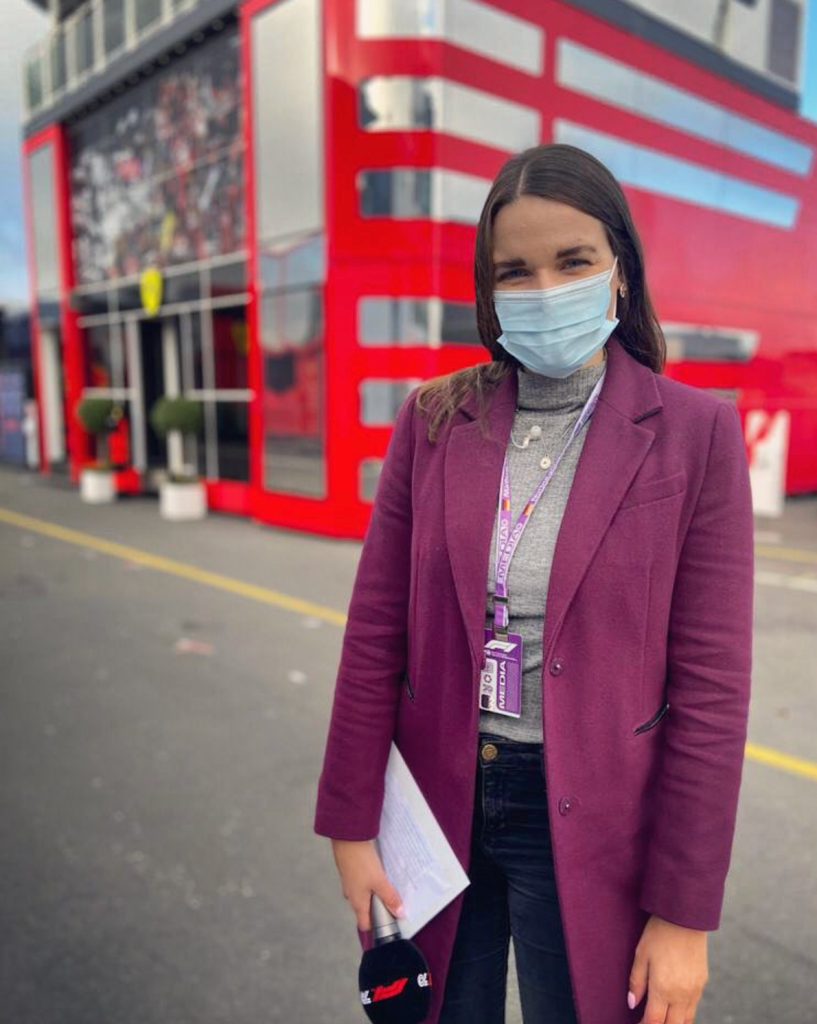
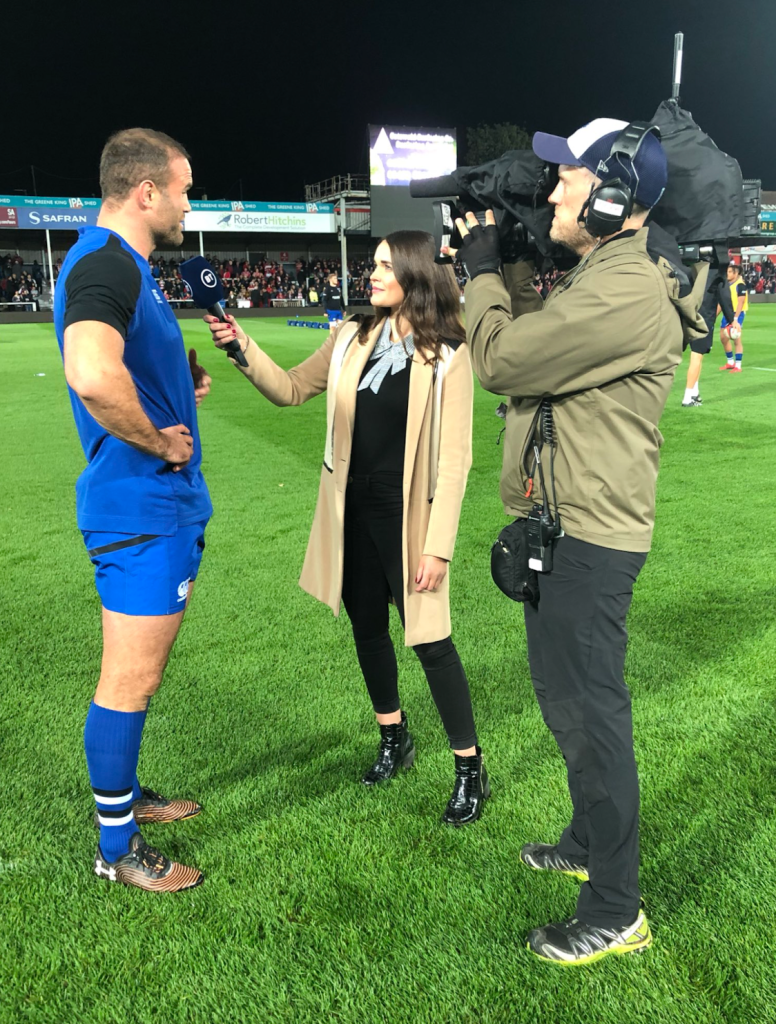
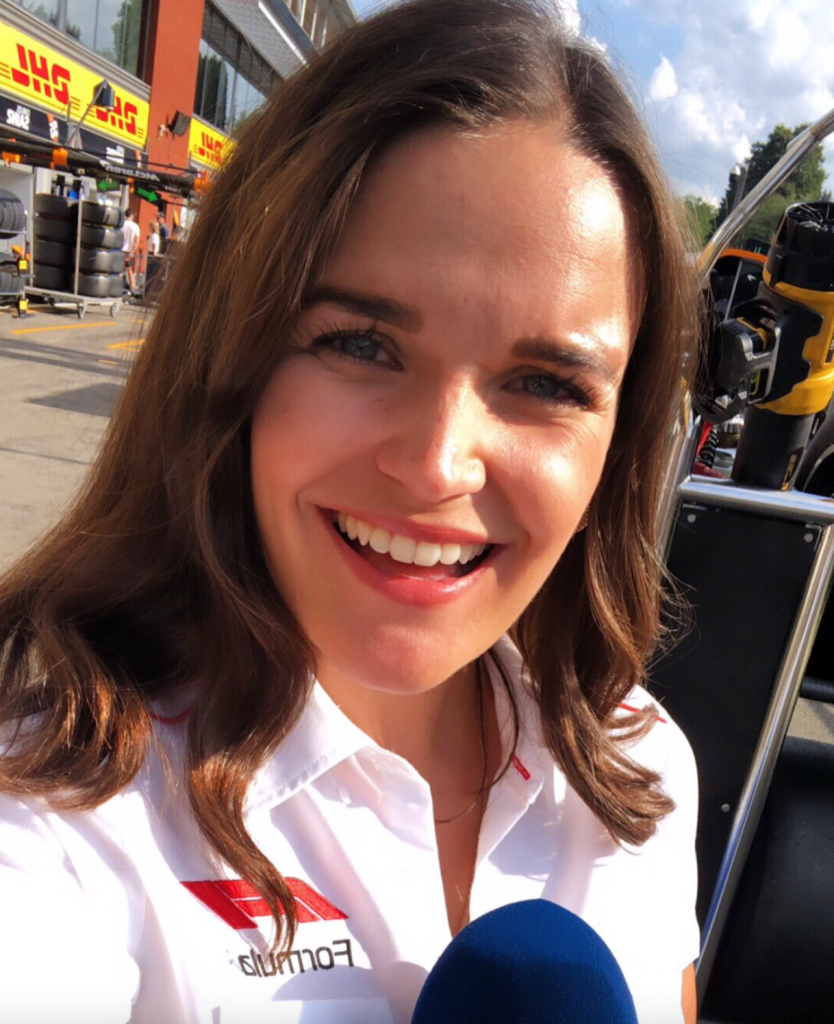
Laura Winter is a freelance TV presenter working in cycling, rugby and, more recently, Formula 1.

With a background in sport spanning all the way back to her childhood, a career in the sports media was always the perfect fit, one that started in communications and social media at the International Rowing Federation out in Switzerland.

After two years abroad, Winter returned to the UK to work for her local newspaper as a trainee sports journalist for a further two years before going freelance as a presenter.

Five years later, she’s trackside in Formula 1 races all over the world, covering some of the biggest moments in the sport.

Yet, despite doing a job many dream of, it didn’t take long for the Cheltenham-based journalist to learn her gender was always going to be an issue in this field of work.

“When I was at the International Rowing Federation, I was told by a female boss, at the Olympic finals, in the media centre in front of everybody, that I needed to watch how I acted around men because I was a ‘pretty girl’,” Winter begins, reflecting on the early years of her career.

“I can laugh about it now, but at the time I was devastated by it because it was the first realisation for me that the way I looked was always going to come first.

“No matter my character, my integrity, my professionalism, the way I looked and the perception of ‘friendly women’ will always come above that.

“I was only being myself; I like to think I’m a warm, friendly individual who will give time to anybody, that’s just me.

“It felt that was going to be a huge disadvantage for me, because I’m a woman and because people will perceive a woman who looks a certain way as a threat or unprofessional.

“It was a realisation that, firstly, in the job I was in, I was not taken seriously, and I was not respected.”

Formula 1 is no different to football, it’s an incredibly male-dominated sport and despite a huge push for more inclusivity and diversity in every facet of the sport, women are still largely outnumbered and looked down on by many.

“I always feel the need to prove myself in this job, I’m somebody that has incredibly high standards and I’m a complete perfectionist.

“I always feel that I need to do myself justice and prove myself, but then also being a woman, you feel like you need to work twice as hard to be taken half as seriously, that certainly rings true sometimes.

“I wouldn’t say in F1, within the people I’ve met or worked with, there’s nothing like that [sexism]. The only thing I’ve seen is on YouTube comments, where it’s been written that ‘she’s a token’ or ‘it’s a box ticking exercise’.

“I covered for Will Buxton who’s their lead presenter for digital, you’ll read the comments and one will be like ‘we love her, can she be on every week’ and the next one is ‘she’s terrible, I never want to see her again.’

“There’s no escaping it, it is an incredibly male dominated sport both on-track and off-track, in the garage and in the paddock.”

For women working in TV, one of the biggest challenges they face, that isn’t spoken about enough, is the constant pressure to ‘look good’ and knowing more often than not, they’ll be judged on their appearance.

Winter continues: ““I think this is more of a societal issue, but sport is a microcosm of society and it all relates, but women will be assessed on how they look rather than what they’re saying.

“It’s something that I’m always conscious of, it’s ridiculous I have to think about this, but I’ve got quite wide shoulders, so I need to make sure that I wear something that doesn’t make me look super top-heavy.

“If a camera cuts me off at my waist, I can look super broad and that’s something I’m really aware of and when I’m on camera I make sure to angle my body and to make sure I’m wearing something that demonstrates I do actually have a waist.

“It’s just little things like that, that make you think men don’t have to worry about this!”

We can no longer simply celebrate seeing women on screen covering sport, or with bylines newspapers, when they’re continually treated like outsiders in this industry.

They shouldn’t be isolated, they shouldn’t be met with any form of resistance, they shouldn’t receive hundreds of sexist messages and they certainly shouldn’t be made to feel unsafe whilst doing their job.

We may have broken through the glass ceiling and the times may have changed, but the hurdles are still crystal clear.

“It needs to be equal for everybody and I do think that is changing, I think it’s still a slow process, but believe me there are amazing women in this industry, who if you come into it, will look after you,” Carruthers concludes, with a tone of hope in her voice.

“I didn’t have that when I started, I didn’t have anybody who could guide me or put a supportive arm around me if somebody was inappropriate with me in the workplace.

“Someone who I could go to and say that I don’t feel comfortable with something, can they help me as I don’t know what to do. I didn’t have that, but that’s there now.

“I think that’s really important. We all have a role to play, you’ll have a role to play in that going forward as well.

“We all have to do it together.”

They came and they conquered: The female sports journalists who paved the way

They were met with resistance and challenged at every corner, but their bravery and strength has shaped an entire industry.

It’s not very often you see journalists become the story, but when Jacqui Oatley received a phone call asking her to commentate on Fulham v Blackburn for the BBC’s Match of the Day in 2007, the headlines were already written.

No woman had commentated on the broadcaster’s popular football show before and Oatley was set to become the first.

“It wasn’t very nice, it was pretty unpleasant, and I didn’t enjoy it for a nanosecond,” Oatley says, speaking about her debut TV appearance. “But that’s life and you can’t choose whether you make the news or not!

“It was the subject of every phone in debate and then some people in football said some quite mean and sexist things, so it just blew up into this crazy debate.”

Preparation is key for any commentator, but in the midst of all the chaos, Oatley could only start preparing the night before the fixture.

Once word had escaped into the national press just days before the game, her phone was constantly buzzing with emails, messages and interview requests – the spotlight was well and truly on the Wolverhampton-born journalist.

It was a landmark moment in TV history, and for women aspiring to work in the sports media up and down the country, a sign of hope that opportunities were becoming available.

The reaction and backlash, however, only demonstrated just how much further we still had to go to alter the attitudes of many to ensure sport is an inclusive environment for everyone.

“Hands off girls; Match of the day is ours” wrote Declan Lynch in the Irish independent, “Women should only be allowed to commentate on women’s football (bloody awful waste of time that is, too!), and men should only be allowed to cover the male game,” was just one of the hundreds of comments posted onto an online fan forum.

Social media is by no means a safe space for many users, particularly women working in a male dominated industry, but Oatley does believe the online presence she has today could’ve reduced the amount of backlash she faced when she made her Match of the Day debut.

Platforms, such as Twitter, have given female Sports Journalists a voice, and they’re able to prove their knowledge and passion for the game on a continual basis.

“I don’t know what that fury would’ve been like in 2007 had Twitter come along a few years earlier, I joined Twitter exactly two years later and I’ve been pretty active on it ever since.

“There’s a part of me that thinks I might’ve been better off if there had been Twitter because at least I would’ve had a footprint, people weren’t able to see that I tweet about matches all the time.

“I didn’t have an online presence, I didn’t have a website, Wikipedia or anything like that in those days, there was only one interview I’d ever given and that was with my local newspaper.

“People didn’t know me and made a lot of assumptions, very lazy assumptions, that they’d grabbed a girl from the office because they wanted to stick a woman on Match of the Day, nobody really gave me much credit for my background.

“But then again, if I did have Twitter at the time, it might have been hideous! Although I think there would’ve been lots of people who would’ve gone into battle for me, people who know me, colleagues and what have you.”

13 years on, Oatley is able to see the silver lining in what was one of the most challenging weeks of her career to date.

In many respects, the industry has come a long way since 2007 and she is now a well-recognised voice in sports broadcasting, it’s journalists like Oatley that have opened the door to so many that have followed in her footsteps.

“The good thing about it, whilst I didn’t enjoy it and would’ve much rather not been the first female,” she continues. “It meant the next person that came along didn’t have that massive burden on their shoulders.

“And the next person after that didn’t have the burden and they could just get on with it, and I’m genuinely really happy about that.

“Other female commentators I know are able to just get on with the job, of course they’re still scrutinised, but they didn’t have that the whole front page news stress that I had.”

It’s crazy to think that it took until 2007 for the BBC to have a female commentate on Match of the Day, but women have been ‘breaking down doors at the gentleman’s club’ for decades before Oatley stepped into the commentary box.

In her book ‘The Fleet Street Girls: The Women Who Broke Down the Doors of the Gentleman’s Club’, Julie Welch talks about the women in Fleet Street in the 1970s and 80s that were among the first to appear in sports reporting.

It was on a hot summer’s day in August 1973 that Welch became the first female to report on a football match at Coventry City, a job she continued for 14 years at the Observer.

In the late 70s, Sue Mott then began covering football for the Sunday Times – but the press box was a lonely place for a female in those days.

Women were subjected to continuous verbal harassment by other reporters and journalists both in the press box and in external coverage in newspapers and magazines.

A football magazine called ‘Foul’ contained a comic strip depicting “Miss Julie” and not only did it criticise her work, but it also insinuated that she slept with footballers.

Like Oatley, Welch was another journalist that had ‘become the story’ and was left full of fear every time she stepped into a press box.

Over 30 years on from a woman reporting on a football match for the first time, Oatley prepared to become the next female pioneer in the industry, and it was clear that sexism was still rife.

Oatley adds: “The fact that when I started it seemed to be okay to make sexist comments, for people in football, Dave Bassett was one that openly said women can’t possibly do this job and that nobody wants them to.

“It wasn’t acceptable then, by the way! But I do think more old school men made those comments and not just them, younger people I think expressed more freely women shouldn’t do the job and that ‘there’s one place men can go and that’s to watch Match of the Day without a woman being there and everywhere else they’ve ‘infiltrated our lives’.

“Whereas now I don’t really think it’s acceptable amongst your peers for you to say that, amongst your family members, without you being challenged.

“Some lads will still say stuff like that in the comfort of their own home or with their mates in a WhatsApp chat, I’m not naïve at all! But it is now less socially acceptable to express those views and therefore there is a lot more awareness about diversity and a lot more awareness amongst bosses of what women can experience because now women are a lot more likely to talk about it.”

When you look at the levels of sexist abuse women in the industry receive today, it’s a harrowing realisation that those who came before experienced far worse.

But those women stuck it out, no matter how awful it must have been or how much they wanted to leave, and their strength laid the groundwork for every woman who came after them.

‘Being the story’ as a journalist is never ideal, but in this case, it helped shape an industry for the better and as more young women enter the world of sports media, we cannot forget those who made it possible.

The Re-Build: How Prescott Hill Climb Navigated Their Way Through A Global Pandemic

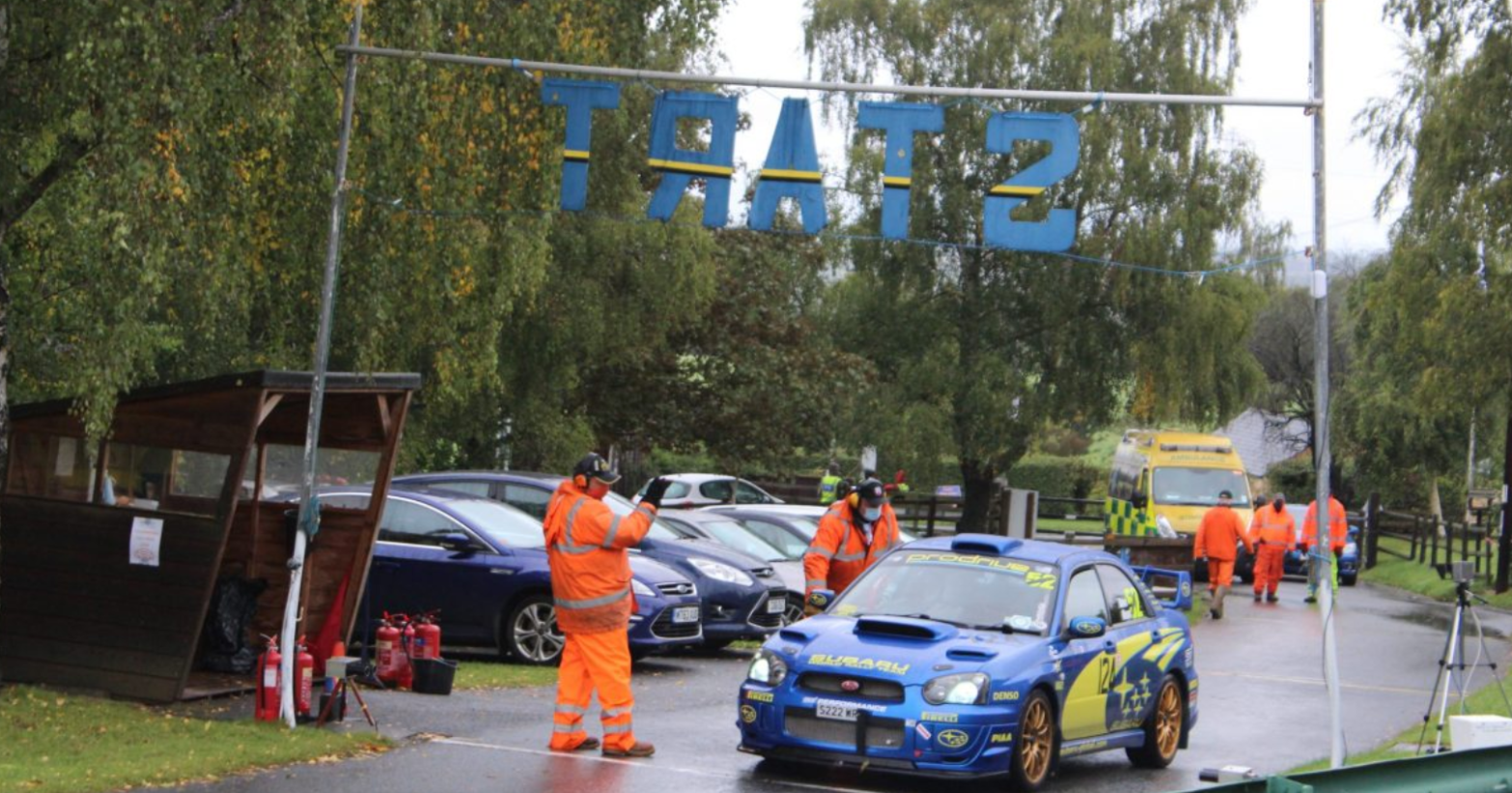
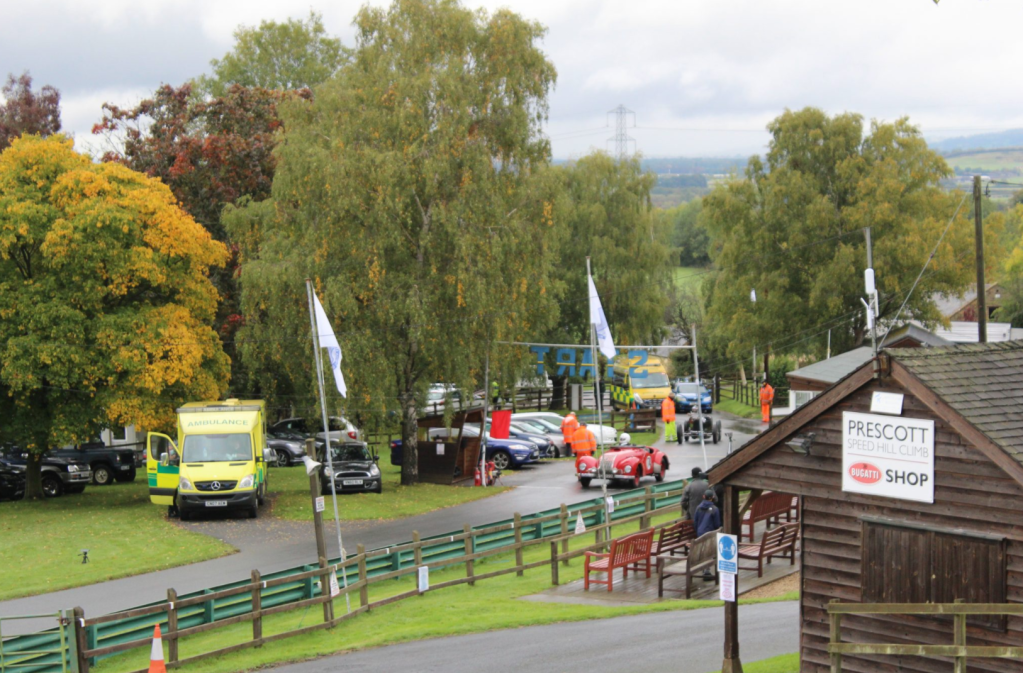
When Gemma Price started her new role as General Manager of Prescott Hill Climb on February 3 earlier this year, nothing could’ve prepared her for the challenges she would face in light of the COVID-19 pandemic.

On March 24, one day after Boris Johnson had put the UK into lockdown, Gemma and her staff were in the office demonstrating a new IT system when the news came through.

Motorsport UK were suspending all permits to run competitive events until further notice and the Cheltenham venue, who were deep into their preparations for the new season, were forced to push the pause button on their plans.

“When I first heard the news, I initially thought I was going to be the only general manager that worked here and never ran an event,” Gemma began. “We hadn’t run an event up until that point, our season starts the last weekend in April.

“So, I’d started and not delivered any events and then we got put into lockdown.

“It’s scary. You don’t know what the financial impact is going to be, you don’t know how long it’s going to go on for.”

The pandemic reduced the venue’s income by 86% overnight. Their packed-out calendar had been stripped to nothing and revenue streams had been temporarily stopped.

Gemma went on: “With events, because everything is pre-booked, we had to then cancel everything, so the workload went through the roof.

“It was hard, I was burning a lot of hours. I was working at half one, two-o-clock in the morning regularly. I think I went down to four hours of sleep a night for about two or three months.

“But we cut our costs hard and we cut our costs early to stabilise the club and ensure it survived COVID.”

Sporting venues across the nation were keen to get back up and running as soon as possible, Prescott and the Bugatti Owners Club were no different.

At the end of June, Motorsport UK reinstated permits following an ease of lockdown measures across the country, which provided a glimmer of hope to Gemma and everyone involved at the BOC.

With the green light given to start running competitive events once again, work began to plan and deliver a revised calendar for the 2020 season.

“I had lots of meetings with senior officials. We talked about how we could bring back events safely. There was a lot of documentation. A lot of risk assessments.

“We had to check the insurers were happy with those risk assessments as well. We did everything to make Prescott COVID secure.

“Then, it was a case of looking at the financial viability for each event. If you’ve got less competitors and no spectators, your revenues go down. Yet, some of your costs are still fixed and some even increase.”

Competition could only return if it was in strict compliance with government and Motorsport UK guidelines, which meant large scale changes to the way things would operate on event days.

In order to best prepare the club and its volunteers, Gemma organised ‘Drive Thru’ events before the official calendar was set to begin.

These events were designed like any other ‘Drive Thru’ – cars would come to the hill, drive the track and then remain in their cars located in the paddock.

“They were really important,” Gemma continued. “We used them as test events to develop our strategy for managing COVID.

“We ran them as if they were fully marshalled, competition events – even though they weren’t. We used it to train the marshals and develop the systems.

“It was a dual purpose. It got people back on the estate, it got cars on the hill, it helped keep members happy, but it also provided a training platform for the marshals and the volunteers.”

On August 22, almost four months after the season was due to begin, the first hill climb of the year finally took place with the ‘Reopening meeting’.

No action had taken place since October 2019, when the previous years’ schedule came to a conclusion. Finally, the former Vintage Sports Car Club competition secretary was getting to reap the rewards of her hard work to keep the club afloat during one of the most challenging times of its long, rich history.

When summing up that weekend, Gemma said: “It was pure relief to have competition back again. All the competitors and marshals were so happy to be here. There was no hassle, just relief.

“We haven’t been able to go the whole hog, though, and running without spectators has been a bit of a sticking point.

“A lot of people are members of the club because they get free entry to spectate. But what that’s resulted in – is we’ve started livestreaming events which has generated interest and viewership internationally.

“It’s forced us to do something that we should’ve been doing anyway and doing it earlier than we would’ve done otherwise. That has had a really positive effect.”

Over the last couple of months, Gemma and the BOC have put together a whole host of events and welcomed a range of cars to the hill; from pre-war Bugatti’s at the Vintage Prescott – Long course event to the global debut of the McLaren Elva when the Targa Car Club spent the day at the famous venue.

“I think this season has been a total success,” she continued. “Going into lockdown, we didn’t think we were going to run anything this year, but we’ve ran almost a dozen events.

“We didn’t think we were going to run anything this year, but we’ve ran almost a dozen events.”

Gemma Price – General Manager at Prescott Hill Climb

“I’m now really looking forward to next year. It’s going to be really exciting.

“We’re proceeding with caution because we don’t know how things are going to go with COVID, but we’ve got a number of new and exciting events we’re going to bring on board.

“A brand-new event called Prescott Italia, which will be only Italian cars here at Prescott. We’re hoping we’ll be allowed spectators for it, but we’re anticipating about 500 Italian cars on site, things like Ferraris, Lamborghinis, Maserati’s.

“When I started here there was always a plan to restructure the events calendar so in a way, the pandemic has given me the ability to strip back to absolute basics and to the core of what the club is about and we’re rebuilding from there.”

From a career ending injury to European touch rugby glory: How UoG’s Charlotte McFarland defied all odds

11 years ago, University of Gloucestershire Women’s Rugby star Charlotte McFarland was football mad, but the spontaneous decision to try something new saw her discover her love and passion for rugby.

“My dad was a semi-professional football player and my whole family is football, football football,” she said, speaking to Park Life Sport. “My dad ran a martial arts class and one of the mums said she was setting up a rugby team and that I should join. Initially I was unsure because I liked football, but my mum encouraged me to go.

“I went to the training session and there was loads of people, probably about 30 girls there and I loved it. The following week I quit football and bought the rugby membership and never looked back.”

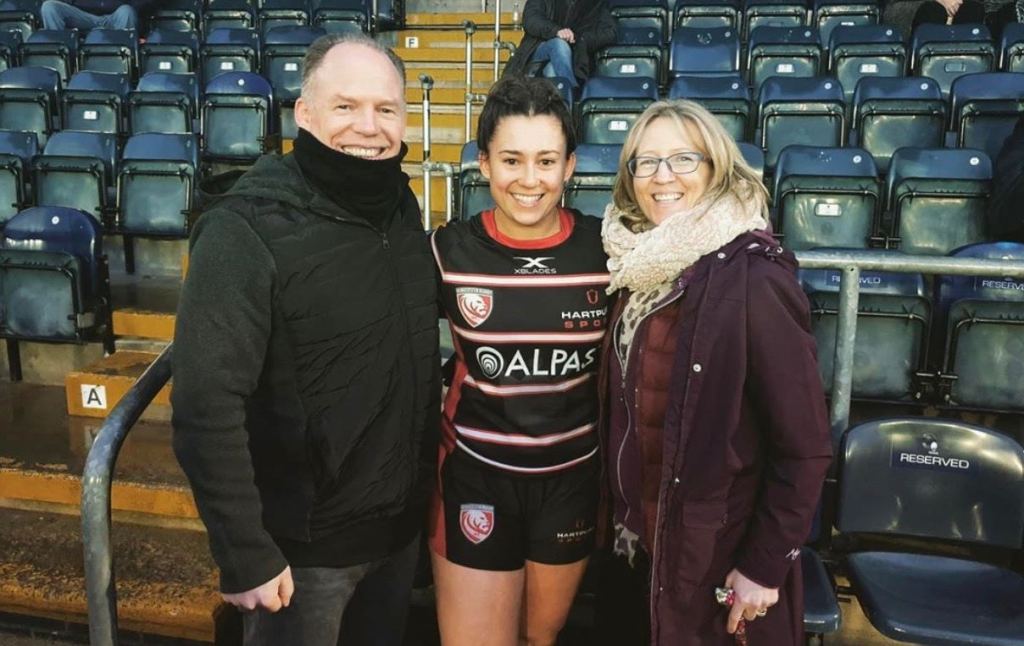
Charlotte McFarland (middle) – Instagram: charlottemcfarland

It took three years of playing before the 22-year-old realised how far her hard work and talent could take her.

“Year 10 was when I really started to believe I was good at the sport and that’s when I started to get into county and south west squads. I think the major passion started in year 10 but I started playing in year seven.

“A coach said I really had potential and that I needed to knuckle down if I wanted to go somewhere.

“Some of my teammates were already in south west squads so I thought that was done then and that they’d been picked. But I needed to go for it, work hard and I’d get there too.”

Currently studying Sports Therapy at UoG, McFarland has achieved a lot since. Not least, captaining England’s U23 touch rugby team to European gold in November 2019.

However, 6 months earlier, she was told what no athlete wants to hear – that she may never play the sport again.

“I got injured at a university match, it was Southampton away,” McFarland began. “It didn’t appear to be anything too bad, it didn’t look spectacular. I took a hit and I noticed my shoulder stung a little bit, but as a rugby player you think to just shake it off and that it will be fine.

“I tackled someone again and then as we both went down, my shoulder hit the floor and I felt, ‘oh, this isn’t a pleasant feeling.’ I sort of ran a little bit, but I couldn’t move my arm so I came off with about 20 minutes left to play.”

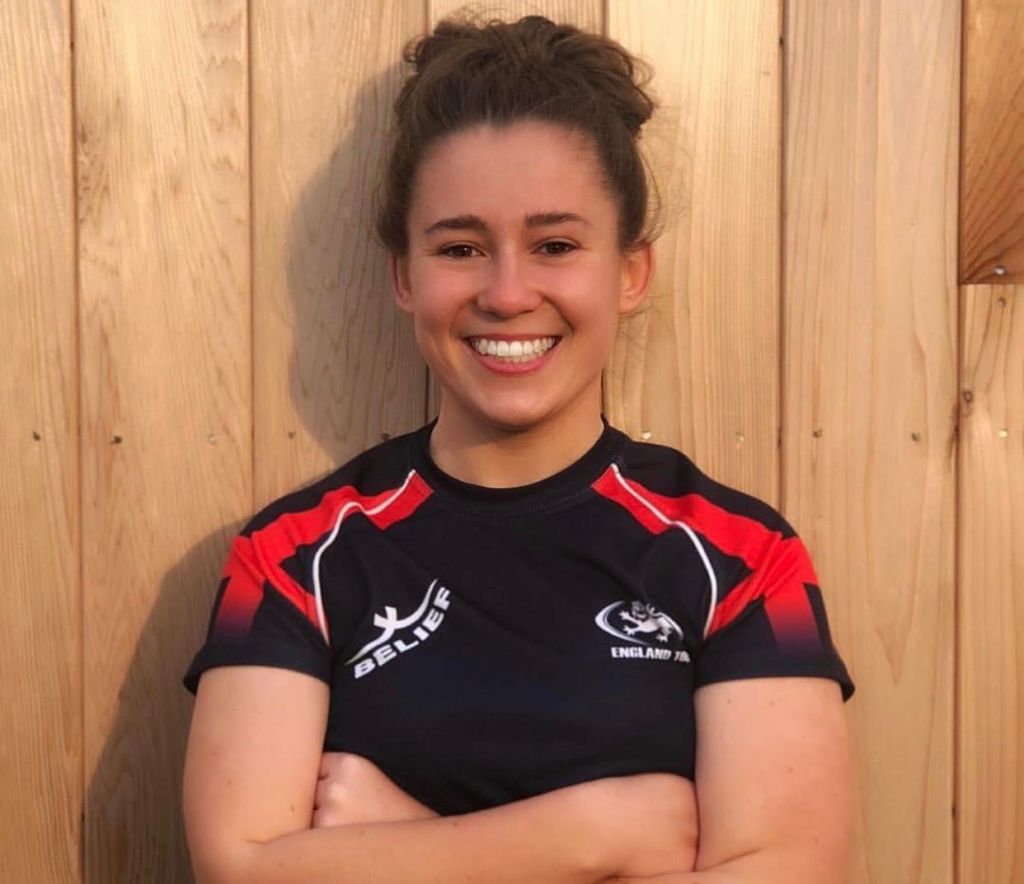
Instagram: charlottemcfarland

Charlotte went to hospital and had a scan, initially being told it was likely just soft tissue. She spent three weeks in constant pain as she waited for the scan results.

“One day I just woke up and there was no pain. The results came back that I’d ruptured my rotator cuff, but the no pain I felt was because another muscle had gone.

“It was hanging on by a little thread and then in my sleep I’d just rolled over and it went. So I’d lost two muscles from their attachment points.

“They said I’d need an operation and that I’d probably never be able to play rugby again. To me, I’d been playing rugby for 12 years, it’s my life. I’ve got plans and I felt this surely can’t be the end for me.”

Not playing rugby ever again wasn’t an option for McFarland and she was determined to do everything she could to play once again.

“I went into a bit of a rut after that really, what was I going to do? I didn’t want to be on the sidelines, I could’ve gone into coaching but then that’s not me out on the pitch doing the work.

“I didn’t want an operation because that was it, pins, plates and a full shoulder reconstruction – that would’ve been me done and I’m only 22.

“I was so fortunate to have a massive medical team behind me and I asked, ‘what can I do, can I live without a muscle?’ I was told I could, but that it would go eventually, which was fine with me. I can deal with eventually, when I’m 30 or 40 and I don’t need to play rugby anymore.”

It was to be a long road to recovery and months on the sideline, but it was steps worth taking as McFarland built herself back up to full fitness.

“6-8 months I was in rehab. I’d wake up, rehab, go to bed, rehab. There was no other option.

“My first game back was a university game. I’d already started playing touch, though, because it was semi-contact and it was good to build me up again.” 

“It was a big moment for me and an amazing feeling. I do sports therapy so I’d been the physio for all the games I’d missed. It was fun and I was getting experience for my degree but it wasn’t playing, so I’d been counting down the days to playing again.”

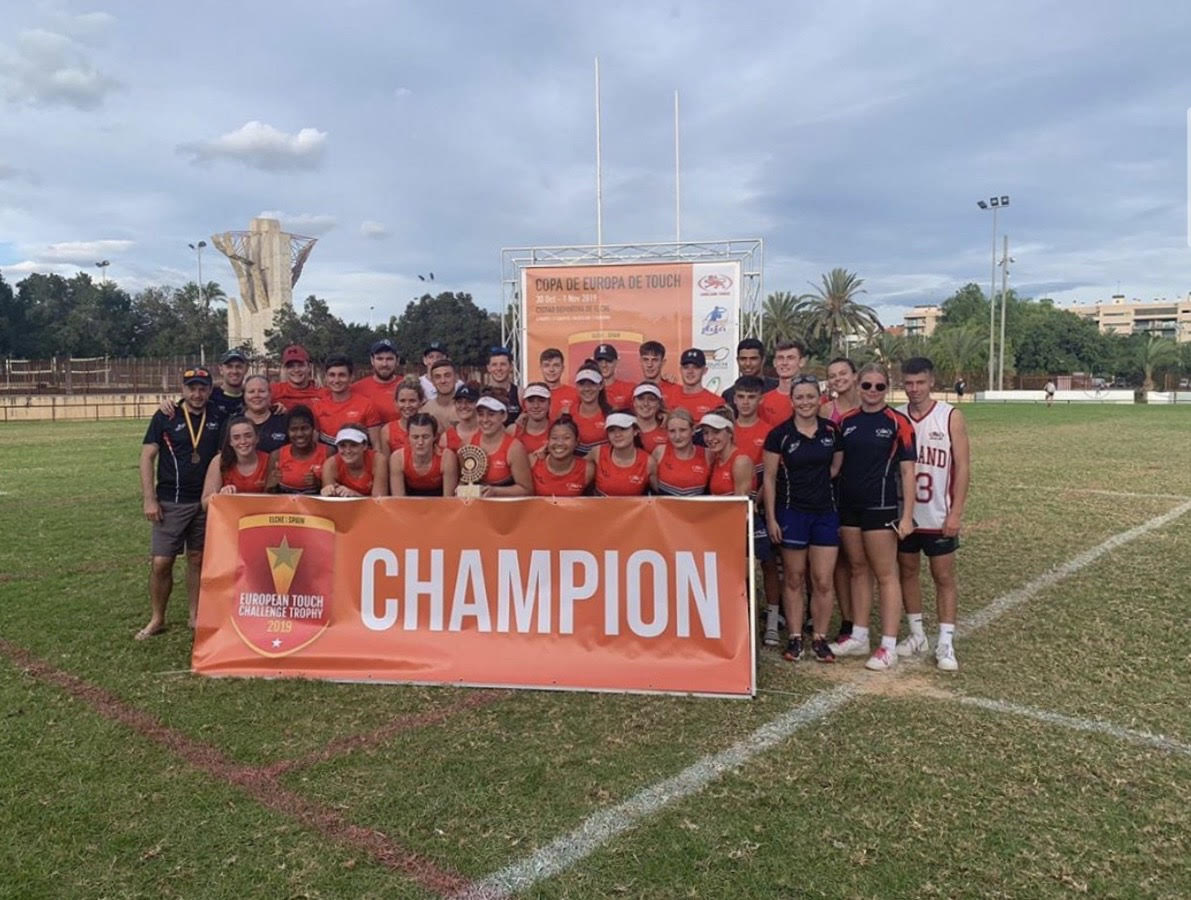
The months spent in the stands were soon to be made worth it for the UoG student as she not only secured gold at the European Touch Challenge Trophy in November 2019 – but captained the side.

“This opportunity came about really fresh after my injury, it was an U23s tournament. We had training camps, nutritional advice and such.

“Everything was going really well and the week before, we had a camp before the tournament and we were all sat in a huddle, going through everything we needed to know.

“One of the girls asked about leadership of the team and the coach said ‘well I was going to ask Charlotte if she would like to captain the team – it was an absolute honour to be asked as it’s everyone’s dream to captain their country.

“We then flew out to Spain and because there were a lot of young girls in the team, I felt a sense of responsibility, as some of them were 15 and really nervous.

“I’d experienced a few campaigns already so I knew I had to help. But it was amazing, the girls really pulled it off. We went undefeated and the amount of tries we were scoring. Everything clicked. Still to this day, it’s the best experience I’ve ever had, to say that I captained that team. 

“I was allowed to keep the trophy. It was huge and a nightmare trying to get it back through customs, though! I was stopped and they were asking what it was!”

https://platform.twitter.com/widgets.js


McFarland’s achievements and commitment to the sport have earned her a deserved nomination for the University of Gloucestershire’s Sports Personality of the Year award.

“I was completely shocked. I think of how many people are at uni and how amazing everyone is. It’s not just about sporting background, it’s how much you put into your club.

“I’m extremely thankful for it and it’s a pleasure to be nominated.”

Voting details will be announced in the next week and you can keep up to date on the @yoursu twitter or @yoursusports.

When the Bundesliga, Serie A and the rest of Europe’s top leagues will be returning to action

Coronavirus has left football fans without anything to watch for almost two months. Stadiums are empty, the pubs are silent and social media is full of supporters edging to see the sport return.

We’ve taken a look at all of Europe’s top leagues and have the latest updates of when, or if, the football will kick off again in its respective countries.

The spread of the virus has varied across Europe, each government has implemented different rules and restrictions so football federations have had to act accordingly.

Embed from Getty Images

Bundesliga

All eyes will be on Germany this weekend as the Bundesliga is the first major top flight league to return to action. The rest of the football world will be relying on this to succeed, if other leagues are to follow suit.

German Chancellor, Angela Merkel, gave its return the green light last week under strict health protocols. These include playing all games behind closed doors and intense COVID-19 testing for all players throughout the remainder of the season.

Restrictions on the number of people allowed in stadiums at any given point will be in place and social distancing measures will be applied at all possible points – including when/how players arrive at the stadiums, how players train and when changing before and after games. Teams won’t even be in the tunnel at the same time.

Any positive tests for the remainder of the season will see players self-isolate from their families and team members for 14 days, information will be shared with the club doctor only and it will not be reported to the press.

Should the remaining nine matches be completed in the coming weeks, 10 matches for Eintracht Frankfurt and Werder Bremen, this could pave the way for the rest of Europe. 

Unified efforts from the German government, football authorities and individual clubs have made the return possible, but failure here could spell the end of any hope for the Premier League, La Liga and Serie A.

Embed from Getty Images

Ligue 1

At the end of April, the French government cancelled the the 2019/20 sporting season, despite French football’s governing bodies hoping the season could resume in June.

But all sporting events, including those taking place behind closed doors, have been banned by Prime Minister Edouard Philippe until September – leaving no choice but to end the season prematurely. 

Paris St-Germain were 12 points clear when the season was halted back in March, so were subsequently awarded the Ligue 1 title. 

Final positions were decided on a points-per-game basis, Amiens and Toulouse have been relegated from Ligue 1 and Lyon’s seventh place finish means they miss out on a European place next season.

Embed from Getty Images

Premier League

In England, the sport is reaching a critical point as plans to restart will be put in place. The Premier League, FA and PFA are in the process of drawing up a blueprint of how to move forward and finish the remaining 92 matches.

Earlier this week, Premier League clubs were informed that the season must be decided on sporting merit; null and void is not a possibility. Even if the fixtures aren’t to be played out, clubs will be promoted and relegated.

If it was to be on a points per game basis, like Ligue 1, Liverpool would be declared champions and Aston Villa, Bournemouth and Norwich would be relegated.

It is therefore in everyone’s best interest to complete the season, in the safest way possible. Currently, the Premier League is close to seeing players return to training with strict health and safety and social distancing measures in place. 

For example, temperatures being checked, parking three spaces apart, training in small groups, no tackling or spitting. At least four weeks of training is likely to be required before matches can resume, taking the restart date to mid-June at the earliest. 

Of course, all Premier League matches will take place behind closed doors and whilst the possibility of playing at neutral venues has been discussed as the preference of the UK football police unit, an agreement is yet to be made. Clubs would prefer to play home and away.

As mentioned, the success of the Bundesliga will in part dictate how other leagues, including the Premier League, can move forward. 

VIDEO: Highlights from the last Premier League match that took place on March 9 between Leicester City and Aston Villa

Serie A

The Italian top flight is also aiming to restart next month, with June 13 pencilled in, which relies on government approval.

Players in Italy returned to training at the beginning of May, but only individually. Team training will resume from Monday.

Giovanni Malagò, the president of the Italian National Olympic Committee, stated the priority is to restart the season and it’s very likely. Although actually finishing the season brings great risk and is less certain.

The issue of players testing positive remains, Serie A still has 12 match days left and a number of postponed fixtures left to be played. Placing entire squads in a two-week quarantine if a player is confirmed to have the virus could cause all sorts of problems to an already packed fixture schedule. 

In response, the Italian FA have said only the affected player would need to be isolated provided the rest of the squad test negative. This is a problem all clubs and leagues will likely face. 

Embed from Getty Images

La Liga

Clubs in Spain have began testing players in the last week and some have returned to individual training. Back in April, the league put forward a four phase protocol to return to action, to which they are currently on the second step.

Although, it was confirmed on Sunday that five unnamed players have tested positive for the virus and have gone into quarantine. Two negative tests will be required before those players can return to training.

Only five positive tests is viewed as a positive, though, as the La Liga president expected far more. Over 2,000 tests were carried out on playing and backroom staff across the top two divisions in Spain, and only eight came back positive. 

Similar to the Premier League and Serie A, La Liga are looking to resume fixtures by June 12 – of course depending on government advice and restrictions.

COVID-19: Gareth Southgate pens emotional letter to England fans

This weekend the England squad were due to gather ahead of the March fixtures, which included games at Wembley against Denmark and Italy.

With the postponement of football until the end of April, those games have been cancelled – and Euro 2020 has been postponed until the summer of 2021.

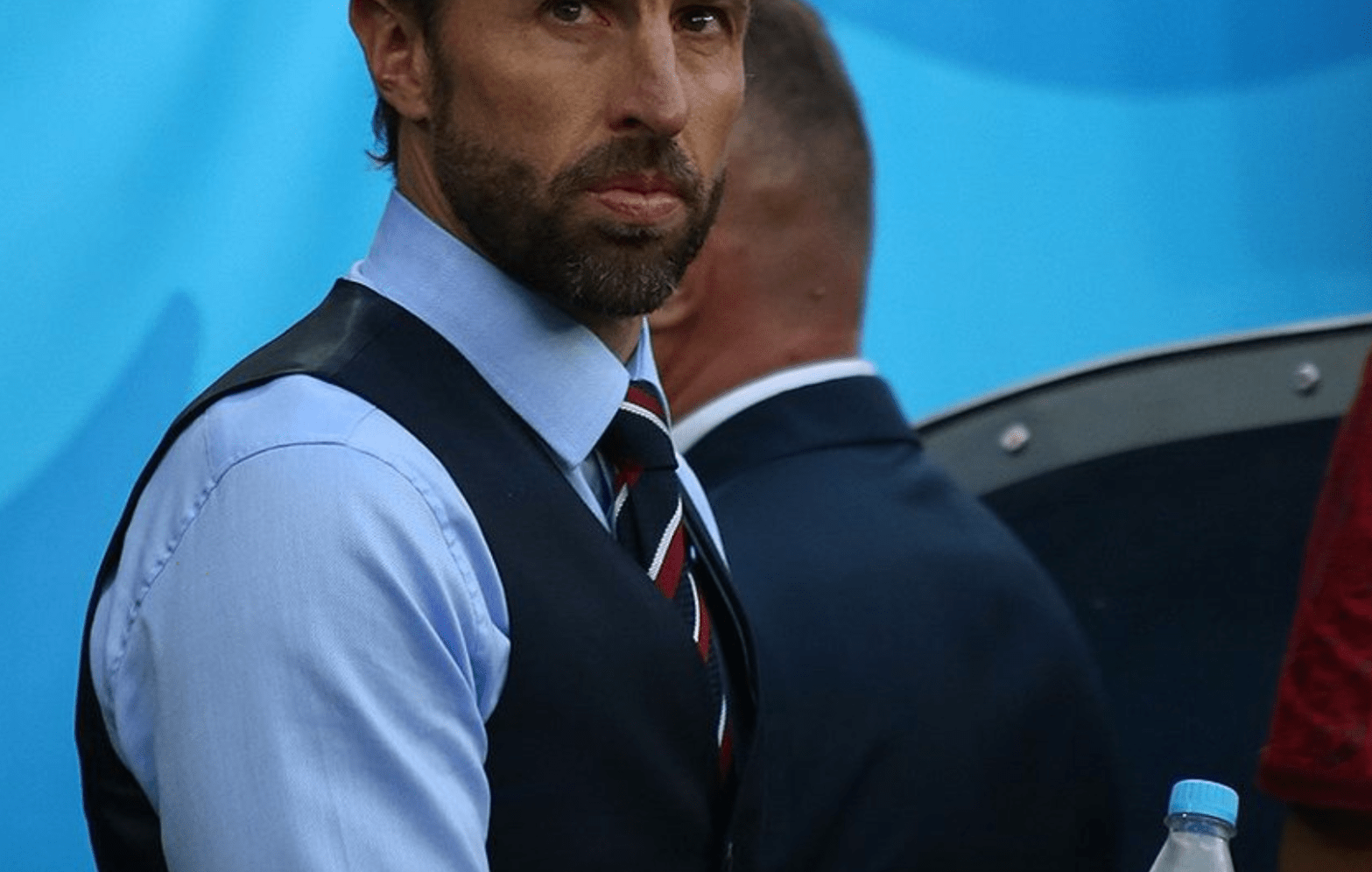
Gareth Southgate has today written a letter to England supporters, calling for everyone to continue following government guidelines and to support each other during these difficult and uncertain times.

“For everyone in our country, the primary focus of the present – and the coming months – is undoubtedly to look after our families, support our communities and work together to come through what is clearly the most extreme test that we’ve faced collectively in decades,” Southgate said.

“In the way you’ve all come together to support our team, we must now work together to combat a virus that is causing physical and emotional issues to so many. So, please continue to follow the guidelines for hygiene and also the sensible precautions put in place to control the spread of the virus in order to protect those most vulnerable to its impact. That responsibility lies with us all.

“We were due to play next week and to represent you all this summer but now is clearly not the moment for us to take centre stage. The heroes will be the men and women who continue working tirelessly in our hospitals and medical centres to look after our friends and families. They won’t receive the individual acclaim but we all know their importance is beyond anything we do on the pitch.”

Southgate also noted that all of the squad will be able to play in the European Championships next summer and that we shouldn’t spend another moment thinking about the postponement of the competition.

He went on to say: “When we play again as the England team, it will be at a time when not only our country but the rest of the world as well is on the road to recovery. Hopefully we will be closer to each other than ever, and ready for the beautiful distraction that football can bring.

“I feel sure that, when that moment comes, I will never have been prouder to be the leader.”

Euro 2020 Postponed: What Does This Mean For The Women’s Euros?

It was announced on Tuesday that, as a result of the COVID-19 outbreak, UEFA Euro 2020 would be postponed by a year.

The rescheduled tournament will now take place from June 11 2021 to July 11 2021

In a statement, UEFA outlined the intention of the delay, saying priority has been given to domestic competitions and this should hopefully allow for their completion.

In the same statement they noted that “decisions on dates for other UEFA competitions, whether club or national team for men or women, will be taken and announced in due course.”

There is no doubt UEFA have made the right decision in pushing the championship back a year, but there is understandably concern surrounding what will happen to the women’s tournament.

The UEFA Women’s Euros was set to kick off at Old Trafford on July 7 2021 and conclude at Wembley on Sunday August 1.

Embed from Getty Images

Should the Women’s Euros be moved?

The upheaval of the professional calendar is likely to see the competition moved, with some suggesting it will now take place a year late in 2022.

Whilst the dates only see the men’s and women’s euros overlap by one match day, the decision will largely depend on UEFA’s stance of the women’s Euros having the platform and visibility it deserves.

By hosting both tournaments in the same summer, the women’s competition could be overshadowed and viewers as well as attendances could take a hit.

The intensity of the men’s calendar could leave little room and interest for another three-week tournament.

Whilst no decision has been made on the women’s Euros, it is likely UEFA are considering their options as back-to-back tournaments could potentially be a positive thing.

Rather than competing against the men’s Euros, the women’s tournament could work alongside it in what could be an exciting summer of football.

https://platform.twitter.com/widgets.js

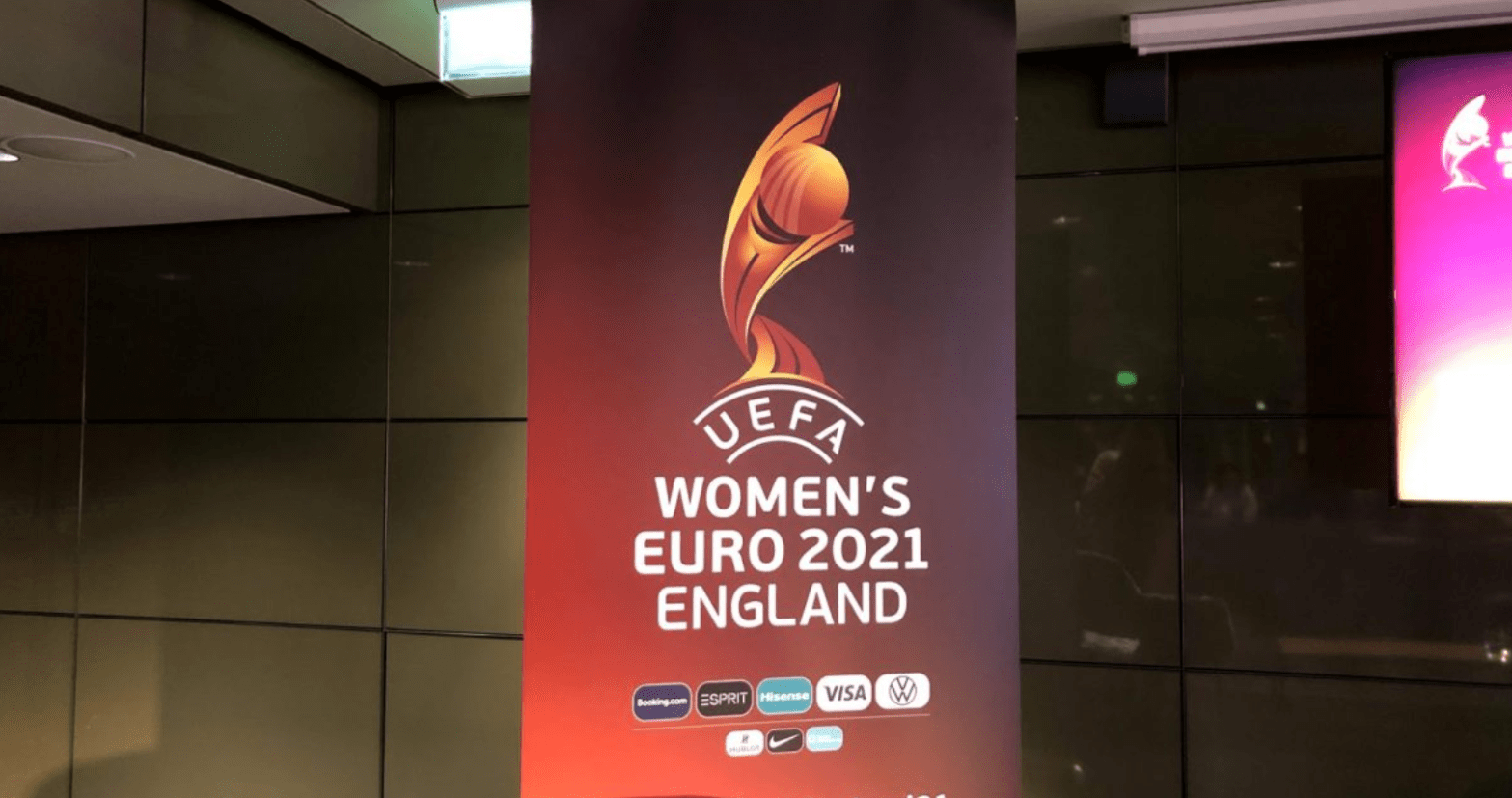
Only last month journalists were invited to Wembley to mark 500 days until the UEFA Women’s Euros was to kick off in 2021.

This was followed by the announcement that Old Trafford was to host the Lionesses opening game, a real statement of intent from the FA in their planning of the tournament.

Of course, these are unprecedented circumstances and with the men’s Euros initially due to take place this summer, it was logistically the first thing UEFA had to deal with and make a decision on.

But the uncertainty surrounding the tournament is worrying to fans of the women’s game but a decision must be made soon as any delays could impact further on the sporting calendar.

There remains question marks over the 2020 Olympics, where Team GB field a women’s football team, but also qualification for the 2023 Women’s World Cup would begin in 2022.

An England perspective

Hosting a home tournament is major for England and winning it is the aim for the FA, players and fans alike.

For some players though, Euro 2021 was likely to be their last major tournament – especially their last chance to play a home tournament.

By pushing it back a year, some of the Lionesses may miss out on that opportunity, although it would provide young players with more time and the chance to earn a place in the team ahead of 2022.

For Phil Neville, his contract is up for renewal in 2021 following the conclusion of the Euros.

By postponing the championship, there are likely to be question marks over the England manager’s future and whether he will lead the Lionesses through the tournament.

In unprecedented times, UEFA have another massive decision to make in terms of benefits and disadvantages to keeping the tournament as it is, or moving it back a year.

Why Barcelona’s Latest Signing Has Sparked Controversy

Barcelona have today confirmed the emergency signing of Leganes’ Martin Braithwaite for €18m on a four and a half year deal.

La Liga gave the second-placed side permission to complete the emergency deal on Monday, as it comes after the transfer deadline, due to the recent injury to Ousmane Dembele.

The French forward has suffered a hamstring injury that could see him sidelined for up to six months.

Embed from Getty Images

The Spanish giants had been scrambling to sign a forward, unable to complete the transfer of Valencia’s Rodrigo Moreno due to a lack of funds – they ended their interest before the January window slammed shut.

That left them searching further down the league, given rules state they can only sign a player from another Spanish club.

Leganes, based in South Madrid, are currently 19th in the La Liga table, two points from safety.

Now, their bid for survival has been made even more challenging and their four-season stint in the top flight could end when the campaign comes to a close.

With almost every player in the Spanish league having a buy-out clause, it was going to be impossible for them to prevent a transfer if the buying club were able to afford it.

Braithwaite has scored six times in the league this season, assisting twice.

This may not seem a lot when compared to the attacking talent Barcelona already have in Lionel Messi, Luis Suarez and Dembele – but these are stats that could’ve made the difference for Leganes in the second half of the season.

Embed from Getty Images

Sevilla had already signed one of their strikers in January, Youssef En-Nesyri departed towards the end of the window after his €20m buyout clause was triggered.

Rules state the selling club cannot make an emergency signing, which could be detrimental to the struggling Leganes.

For Barcelona, injuries to key players is clearly an emergency with the title race in full swing.

But at the other end of the table, Leganes have been left with no greater emergency.

Phil Neville’s Impossible Task Of Choosing The Team GB Squad

Earlier this week England Women manager Phil Neville announced his squad for the upcoming SheBelieves Cup, one with the perfect mix of youth and experience.

Everton’s Chloe Kelly and Sandy MacIver, West Ham’s Grace Fisk, as well as Manchester City’s Ellie Roebuck and Lauren Hemp all received call ups.

This summer, though, Neville has a much more difficult job of choosing an 18 player squad to represent Team GB at the Olympics, one with talent from England, Scotland, Wales and Northern Ireland.

The ‘easy’ part has already been done, last September he confirmed the longer list of players had already been been selected – now he just needs to whittle it down by the summer’s games.

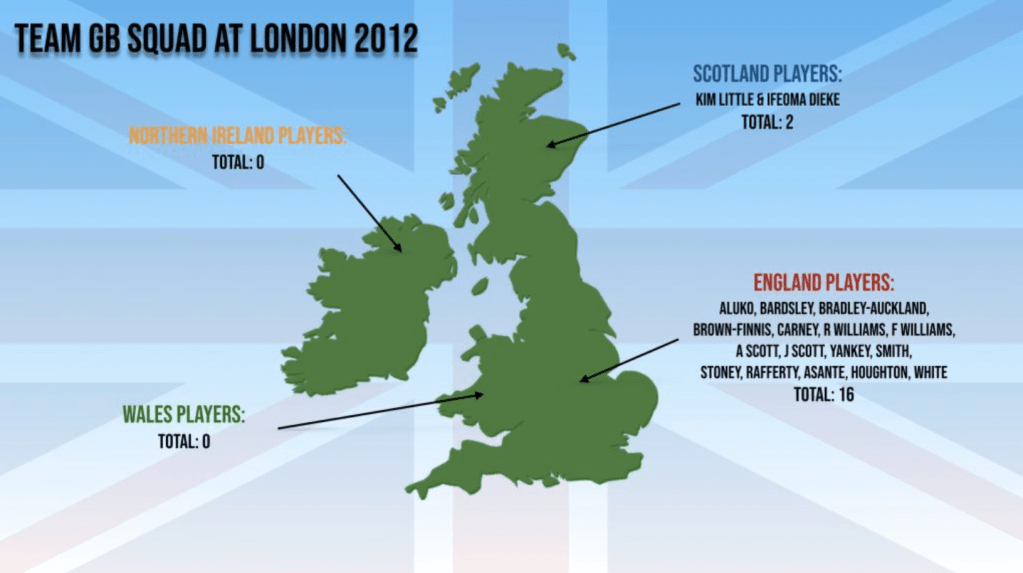
At London 2012 Team GB was made up of 16 England players, with only two from Scotland – there was no representation from Wales or Northern Ireland.

This summer, the 18 players selected will be a lot different as the other nations are on the rise.

Graphic: Players represented from different nations in the Women’s Football Team GB squad at the London 2012 Olympics

The England players likely to make the cut

Of course, it is the England players that Neville is most familiar with – he’s been working with them for the last 18 months or so.

Certain names have been mainstays in his squads, making it hard to see a Team GB team without them.

The likes of Steph Houghton, Jill Scott, Ellen White, Lucy Bronze, Keira Walsh, Millie Bright, Carly Telford, Beth Mead, Jordan Nobbs and Nikita Parris are all likely to make the cut.

Beth England is a player Neville rates highly, with the Chelsea forward forcing her way into the manager’s plans in recent times.

Roebuck, the 20 year old goalkeeper at Manchester City, is also in with a shout of making the team, although she faces competition from Manchester United’s Mary Earps.

Rachel Daly, at Houston Dash, may receive a call up due to her incredible versatility – something Neville is likely to carefully consider when selecting his squad.

Leah Williamson’s form at Arsenal could also see her make the 18, she is another young talent Neville will find hard to ignore.

Of course, even with these names there are still a number of players set to miss out and players we’ve become incredibly familiar with since Neville took charge of the Lionesses.

Toni Duggan, Georgia Stanway, Demi Stokes, Alex Greenwood, Jodie Taylor and Fran Kirby may all find it difficult to make the cut.

Embed from Getty Images

Scotland’s stars & Wales’ best

Compared to London 2012, there are a number of players from Scotland and Wales in particular that are in with a shout of making the squad.

Caroline Weir at Manchester City is one that has impressed in the WSL this season, her drive and goalscoring capabilities from midfield could earn her a spot in the team.

Also from Scotland, Erin Cuthbert is a young star both for her national team and at Chelsea – the 21 year old’s performances in the WSL often have Chelsea fan’s chanting “are you watching Phil Neville?”

Chelsea player and Wales international Sophie Ingle is another Neville will find it difficult to leave out, her experience, leadership and intelligent play are characteristics needed for a team targeting Olympic glory.

Arsenal’s talented cohort of Scottish stars provide further selection dilemmas for Neville, both Kim Little and Lisa Evans are worthy names of a call up.

Jess Fishlock, is Wales’ most capped player but with the Reign FC star still recovering from an ACL injury, her chances may be inhibited.

Embed from Getty Images

Who we think will make the 18 player squad

Goalkeepers: Carly Telford (ENG), Ellie Roebuck (ENG)

Defenders: Steph Houghton (ENG), Mille Bright (ENG), Leah Williamson (ENG), Lucy Bronze (ENG), Rachel Daly (ENG)

Midfielders: Sophie Ingle (WAL), Jill Scott (ENG), Keira Walsh (ENG), Jordan Nobbs (ENG), Caroline Weir (SCO)

Forwards: Ellen White (ENG), Beth England (ENG), Nikita Parris (ENG), Beth Mead (ENG), Erin Cuthbert (SCO), Lisa Evans (SCO),

England: 14, Scotland: 3, Wales: 1

Design a site like this with WordPress.com
Get started