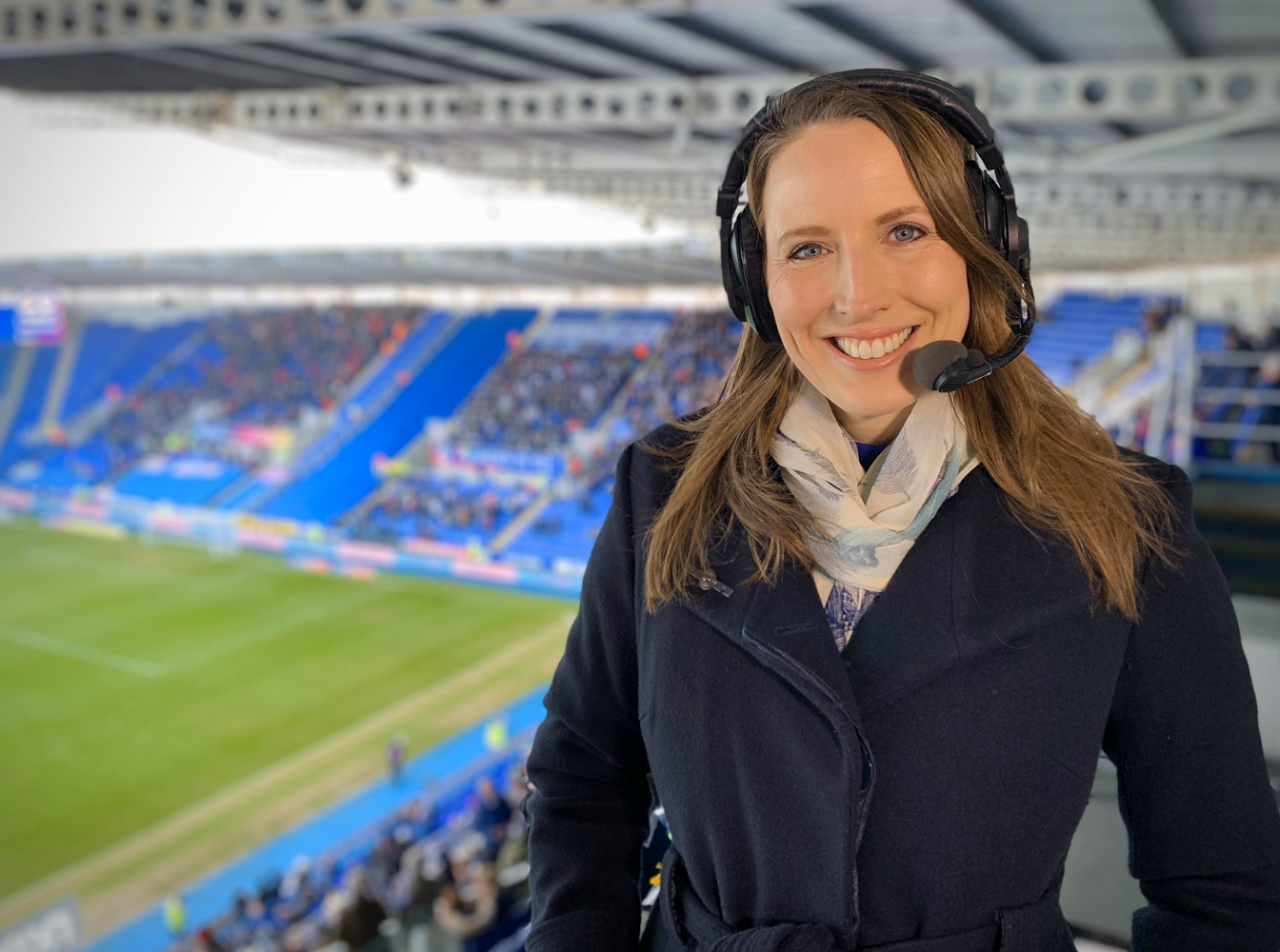
Online abuse, being judged on your appearance and feeling unsafe at stadiums – it’s by no means a ‘glamorous job’
Live action, travelling up and down the country and across borders, interviewing the very best athletes and coaches, witnessing some of the greatest moments in sporting history – there is so much to love about being a sports journalist.
That is, of course, if you’re a man.
You’ll be met with challenges in any career, and that’s not to say men in the industry aren’t – but their place is hardly questioned, they’re never going to be told to ‘get back to the kitchen’ and they’re unlikely to ever feel fear for simply doing their job.
For women, it’s a different story.
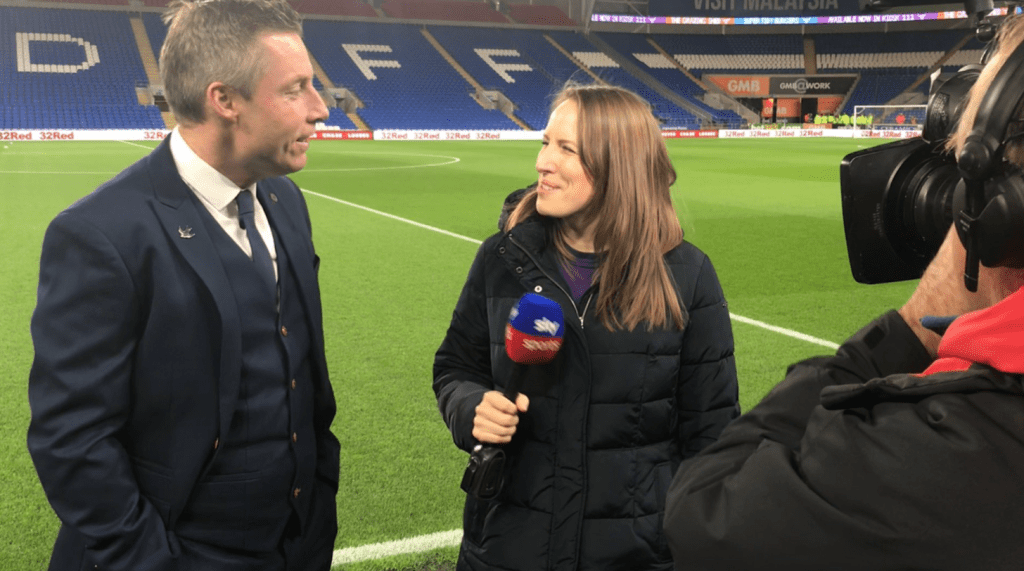
Faye Carruthers is a well-recognised sports broadcaster and a regular on both Sky Sports and TalkSport, but it wasn’t an easy journey to get there.
After studying a Broadcast Journalism degree, she was always told she had a ‘fantastic news voice’, and despite being a sports fan from a very young age, she was always discouraged from pursuing a career in Sports Journalism.
Work experience that wasn’t particularly enjoyable left Carruthers questioning whether she wanted to be a journalist at all, but jobs at Sky News as a personal assistant and operating the breaking news ticker allowed her to get her foot in the door at one of the leading broadcasters in the country.
As she worked in the same building as Sky Sports News, she walked through their offices every day in order to get to the canteen. By doing so, she was able to get to know people and opportunities started to present themselves.
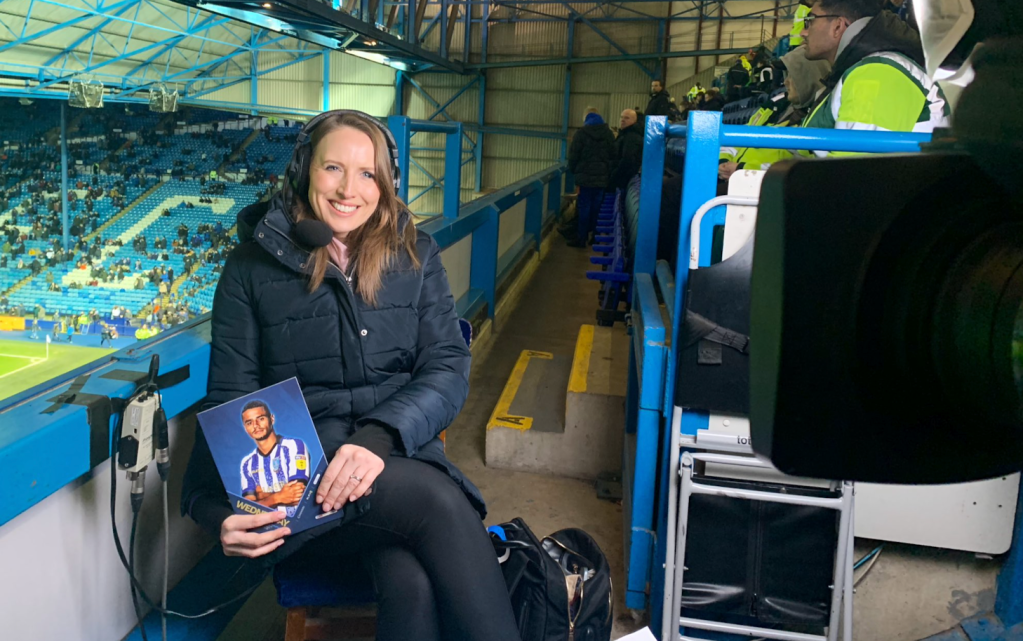
After taking a job as a runner, she soon took maternity cover on the assignments desk and eventually returned to journalism with Sky News Radio.
For Carruthers, it wasn’t a case of applying for roles within sports journalism, the early days of her career were spent with a main job that paid her wage and taking on roles in sport to supplement it.
Now a confident broadcaster covering what she loves, she recognises the challenges her younger self faced on a day-to-day basis.
“I always felt that extra pressure when I was younger,” she begins. “I felt as if I had to know more, learn more, have more knowledge, work the harder hours, all of those things to prove myself.
“This industry can make you feel insecure, and I felt quite insecure for a long time. It’s cut-throat, but now I’m confident in my ability and I don’t question that, if I’m faced with something difficult, that I’ll get through it.”
Even for the established, well-known and respected journalists, the challenges don’t stop.
In the social media age, users are able to say whatever they want, to whoever they want, whenever they want, and that can have devastating consequences.
Back in December 2020, former England international Karen Carney was working for Amazon Prime on Leeds United’s’ 5-0 win over West Brom in the Premier League, where she made a comment that the COVID-19 pandemic and lockdown gave Leeds some respite and aided them in their promotion push.
The Leeds official Twitter account posted the clip, which led to huge amounts of backlash and abuse getting sent to the pundit, who eventually took herself off social media as a result.
Difference of opinion and criticism is something anyone working within the sports media industry can expect, it’s part of the job and on the most part, it’s fair – no woman would disagree with that.
However, the type of backlash female pundits and journalists receive, more often than not, is less to do with their opinion and what they say, and more to do with their gender.
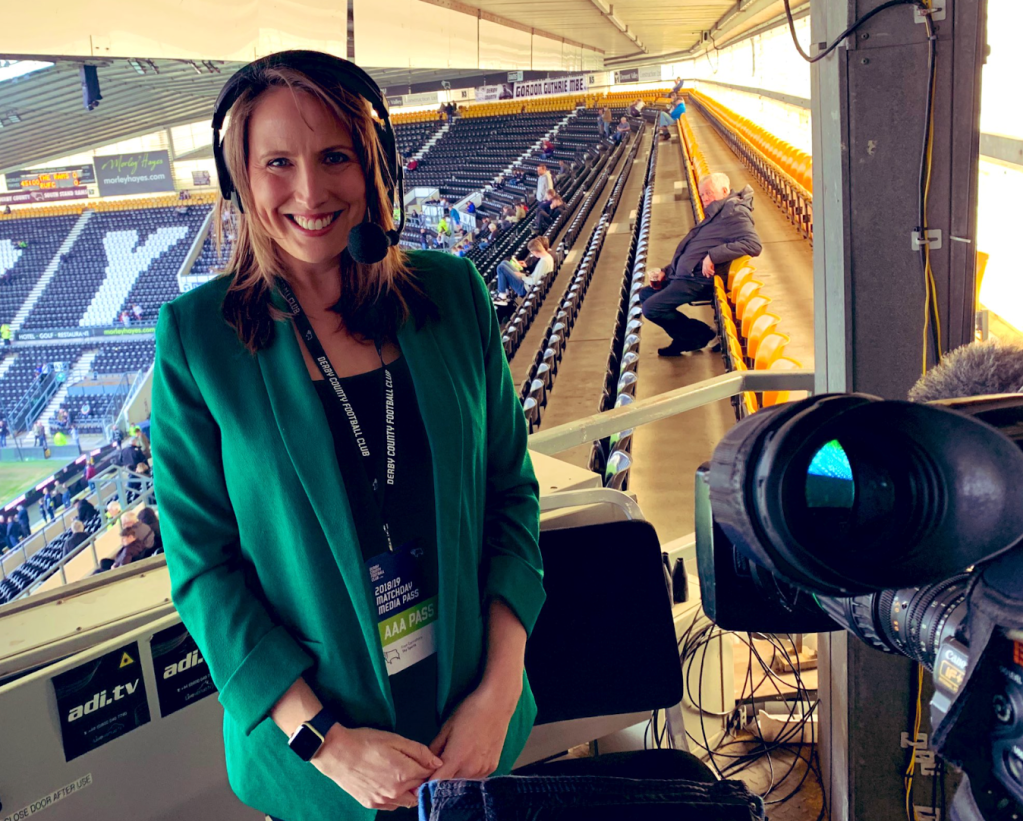
“I know that if it wasn’t for my job, I wouldn’t be on social media and I think it’s quite a toxic place,” Carruthers continues, referring to her own experience with social media.
“I said something that wasn’t controversial in the slightest about Liverpool towards the start of the season and it was clipped up and put out on social media on Talk Sport.
“It was taken out of context and I got so much abuse from Liverpool fans that was really upsetting, really personal abuse.
“That’s not okay and it doesn’t matter how thick-skinned you are and how much you know these people are just bots behind a screen, you still read it, you still take it in, you still take it personally.
“For me, if I’ve said something wrong, I will always hold my hands up. What I don’t find acceptable is when people put my gender into the reason that they’re abusing me for having said something wrong.
“My gender has nothing to do with it, I made a mistake because I’m a journalist who’s a human.”
The fear for female journalists doesn’t just lie with social media, simply attending a match or sporting event has led to many experiences a lot of women would rather forget.
In light of the news of Sarah Everard, a 33-year-old who was murdered after leaving a friend’s house in Clapham Common in London, some female reporters chose to share the moments they’ve felt threatened or scared whilst doing their job.
One of the Independent’s senior football correspondents, Melissa Reddy, wrote on the time she was sexually harassed whilst covering the 2016 League Cup final at Wembley.
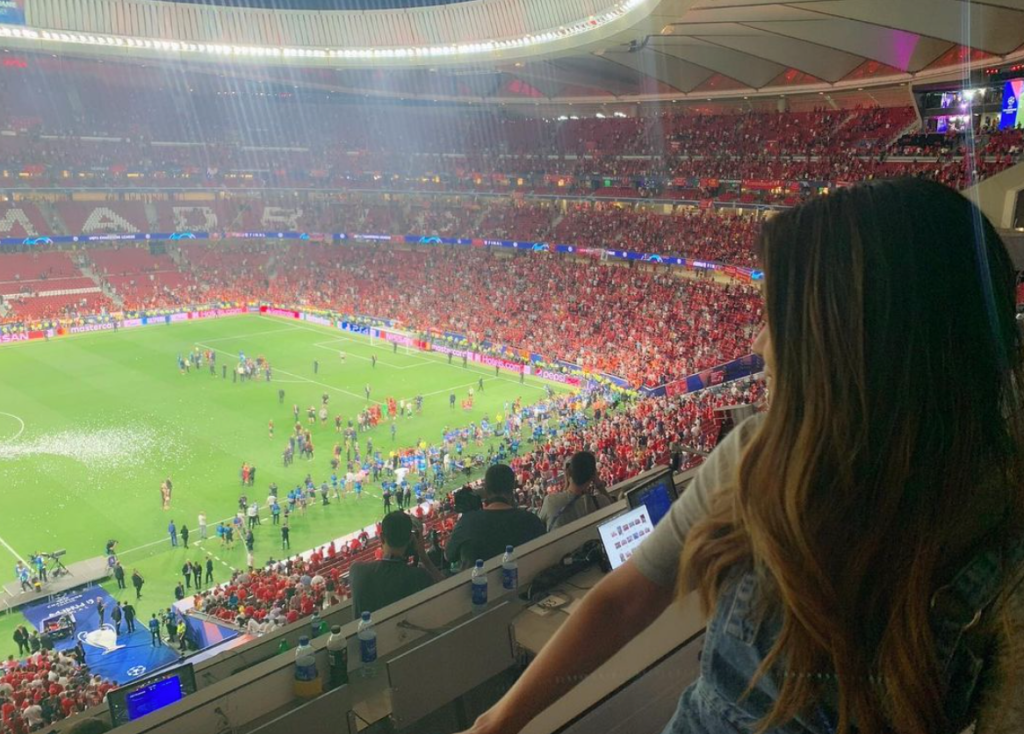
“As part of my coverage, I have been asked to “capture the atmosphere” with a self-shot video,” Reddy writes. “I’m a minute into my visual preview when it happens. He leans in – and kisses my cheek. “Have a bit of that,” he says, laughing, then jogs on to catch up with his friends.”
But that was only part of it, what she endured once the game had finished whilst she was filming a post-match video was far more disturbing.
“A loud “Hey!” interrupts me,” the Liverpool-based journalist continues. “I turn around to see five men. One, approaching me, asks: “Do you want to see a firework?” before pulling out his penis and wildly pissing, getting urine on his trousers and trainers.”
Reddy went into detail on one experience in her piece, but there are countless more from her time working as a Liverpool, and now senior football correspondent – other women in the industry have their own stories to tell, too, of their safety being compromised whilst they’re doing their job.
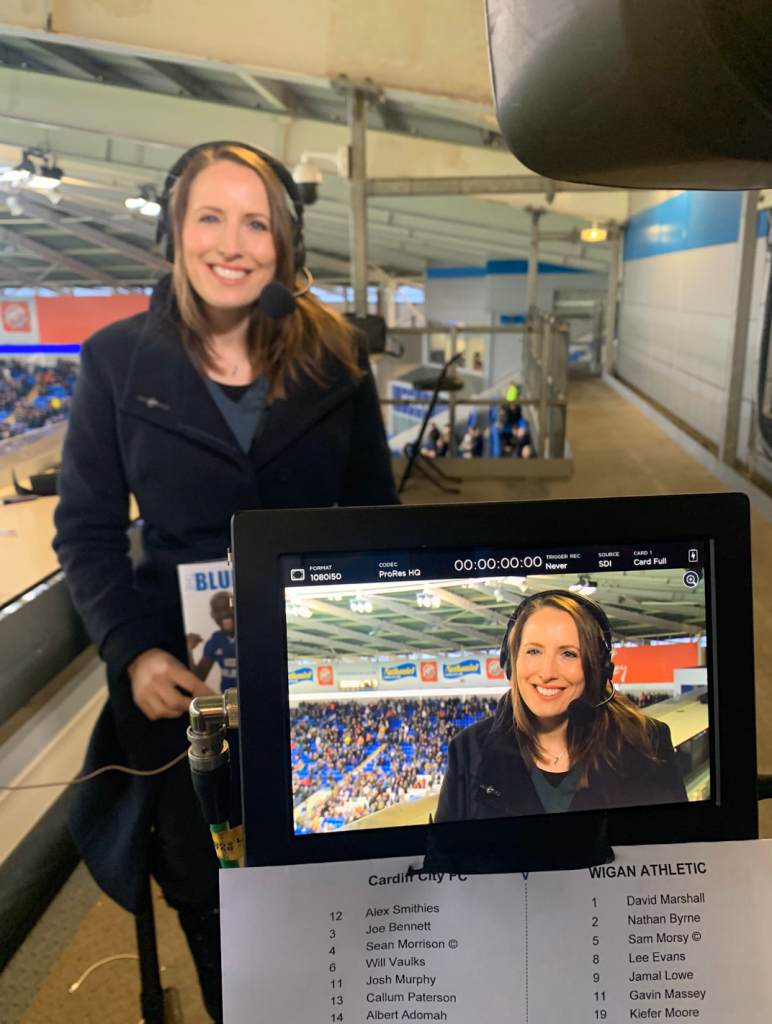
“My camera man is my safety, usually, and they’re all amazing,” Carruthers begins, referring to her own experiences covering games. “It can get a bit hairy on the gantry’s, especially where the fans are literally right behind you, and I’ve had a few incidents, drunken fans getting very handy.
“I’ve said this, I was on a Women in Football Clubhouse event the other week, we were talking about Melissa’s piece, I feel a little bit of shame and complicity in some ways for having not called stuff out in my career much earlier, because I didn’t feel as if I could.
“I didn’t feel as if anybody would listen, I felt as if it would be to my detriment and all I wanted to do in my job was fit in, not stand out, I didn’t want to draw any unwanted attention to myself.
“Unfortunately, in all those situations, it’s like ‘well what were you wearing? It’s always put back on the female, as opposed to the behaviour of the man.
“But to be honest, as much as I hate social media on so many levels, you have thank it for bringing this into the public domain and making it a talking point.
“None of us are going away, bully if you want, abuse if you want, keep hurling whatever you want, we’re not going anywhere.
“That’s powerful because there are more of us now. There’s a louder voice and that makes an enormous difference because strength in numbers is huge.”
The broadcast side of the industry has come a long way in terms of representation, more often than not, whatever the sport, there will be a female presenter or pundit on screen.
Progress still needs to be made in print and more women need to be reporting on sport for our newspapers – but for those working in TV, being on screen has its drawbacks.
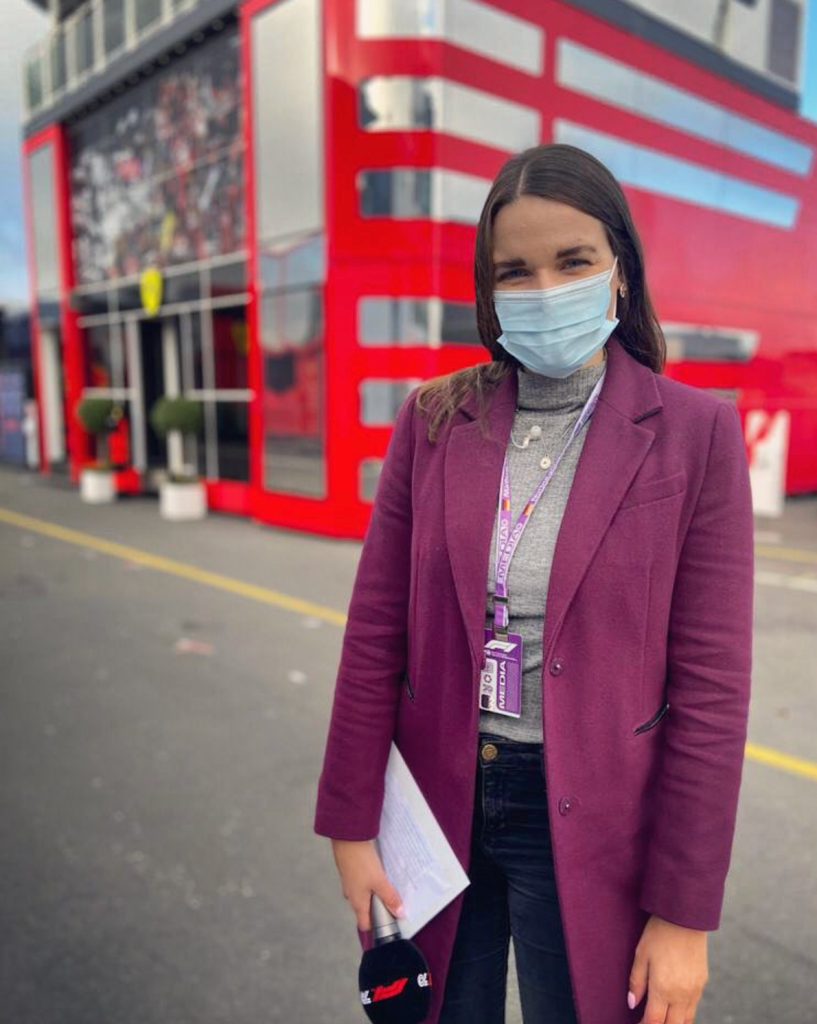
Laura Winter is a freelance TV presenter working in cycling, rugby and, more recently, Formula 1.
With a background in sport spanning all the way back to her childhood, a career in the sports media was always the perfect fit, one that started in communications and social media at the International Rowing Federation out in Switzerland.
After two years abroad, Winter returned to the UK to work for her local newspaper as a trainee sports journalist for a further two years before going freelance as a presenter.
Five years later, she’s trackside in Formula 1 races all over the world, covering some of the biggest moments in the sport.
Yet, despite doing a job many dream of, it didn’t take long for the Cheltenham-based journalist to learn her gender was always going to be an issue in this field of work.
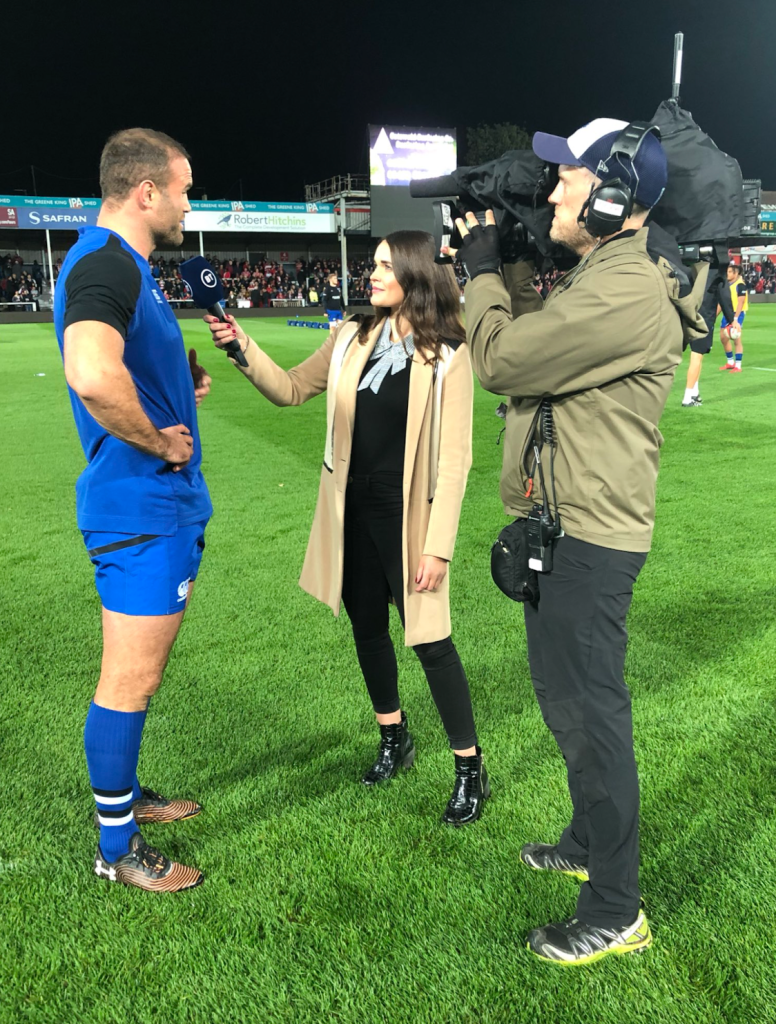
“When I was at the International Rowing Federation, I was told by a female boss, at the Olympic finals, in the media centre in front of everybody, that I needed to watch how I acted around men because I was a ‘pretty girl’,” Winter begins, reflecting on the early years of her career.
“I can laugh about it now, but at the time I was devastated by it because it was the first realisation for me that the way I looked was always going to come first.
“No matter my character, my integrity, my professionalism, the way I looked and the perception of ‘friendly women’ will always come above that.
“I was only being myself; I like to think I’m a warm, friendly individual who will give time to anybody, that’s just me.
“It felt that was going to be a huge disadvantage for me, because I’m a woman and because people will perceive a woman who looks a certain way as a threat or unprofessional.
“It was a realisation that, firstly, in the job I was in, I was not taken seriously, and I was not respected.”
Formula 1 is no different to football, it’s an incredibly male-dominated sport and despite a huge push for more inclusivity and diversity in every facet of the sport, women are still largely outnumbered and looked down on by many.
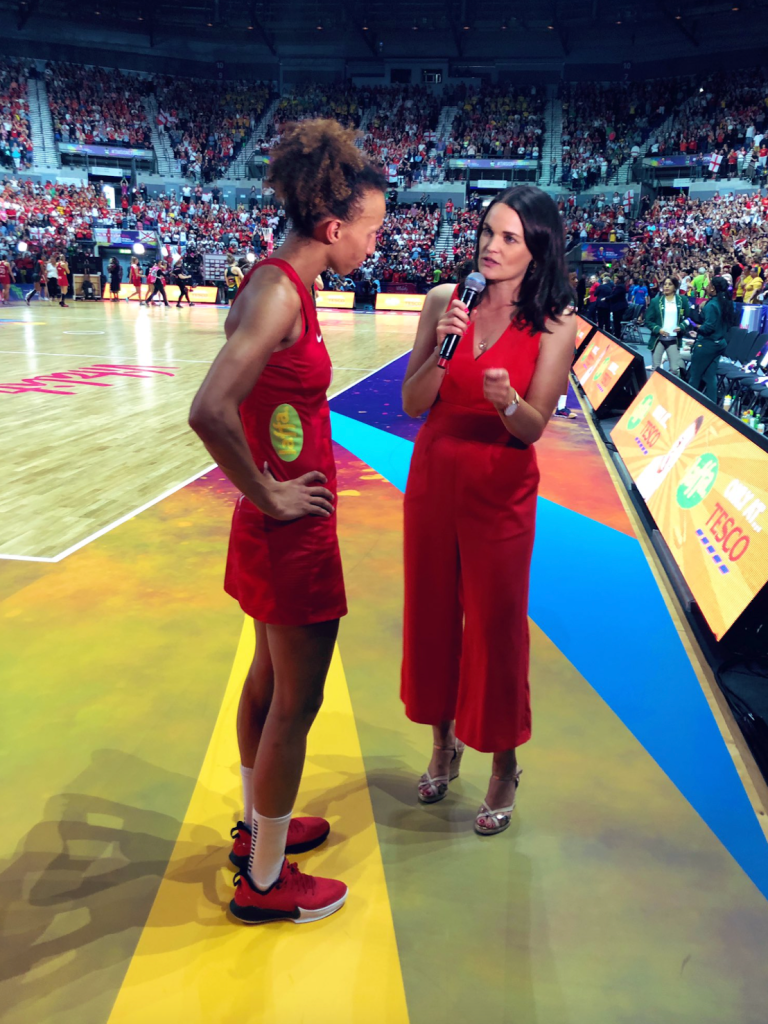
“I always feel the need to prove myself in this job, I’m somebody that has incredibly high standards and I’m a complete perfectionist.
“I always feel that I need to do myself justice and prove myself, but then also being a woman, you feel like you need to work twice as hard to be taken half as seriously, that certainly rings true sometimes.
“I wouldn’t say in F1, within the people I’ve met or worked with, there’s nothing like that [sexism]. The only thing I’ve seen is on YouTube comments, where it’s been written that ‘she’s a token’ or ‘it’s a box ticking exercise’.
“I covered for Will Buxton who’s their lead presenter for digital, you’ll read the comments and one will be like ‘we love her, can she be on every week’ and the next one is ‘she’s terrible, I never want to see her again.’
“There’s no escaping it, it is an incredibly male dominated sport both on-track and off-track, in the garage and in the paddock.”
For women working in TV, one of the biggest challenges they face, that isn’t spoken about enough, is the constant pressure to ‘look good’ and knowing more often than not, they’ll be judged on their appearance.
Winter continues: ““I think this is more of a societal issue, but sport is a microcosm of society and it all relates, but women will be assessed on how they look rather than what they’re saying.
“It’s something that I’m always conscious of, it’s ridiculous I have to think about this, but I’ve got quite wide shoulders, so I need to make sure that I wear something that doesn’t make me look super top-heavy.
“If a camera cuts me off at my waist, I can look super broad and that’s something I’m really aware of and when I’m on camera I make sure to angle my body and to make sure I’m wearing something that demonstrates I do actually have a waist.
“It’s just little things like that, that make you think men don’t have to worry about this!”
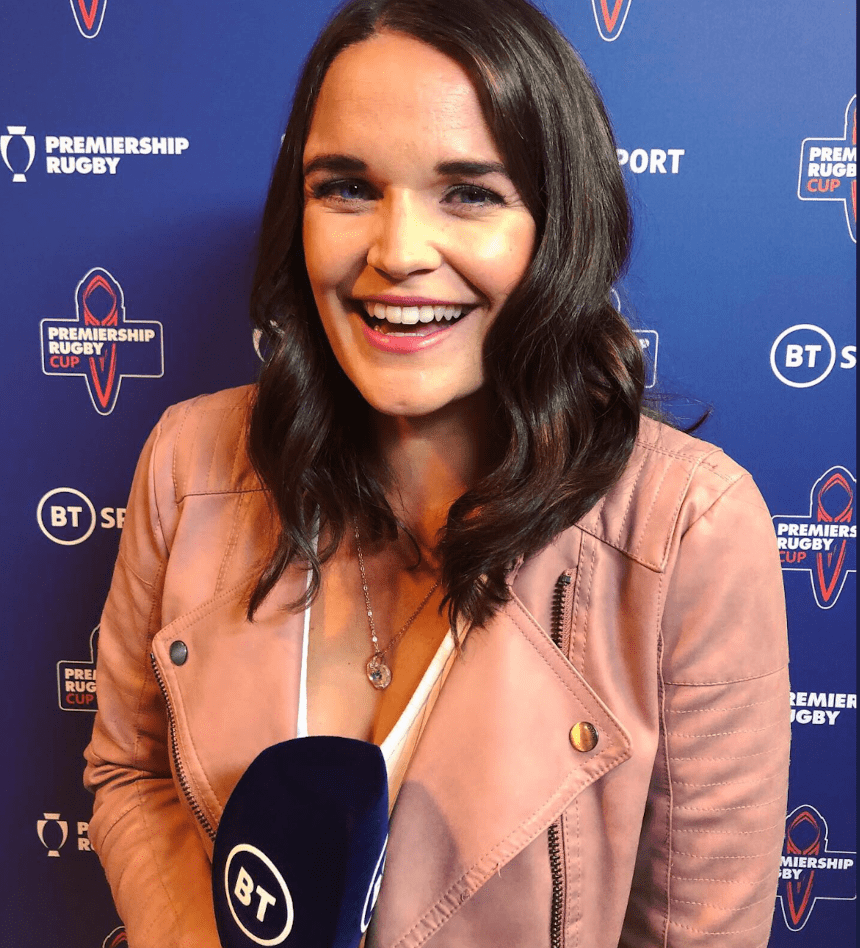
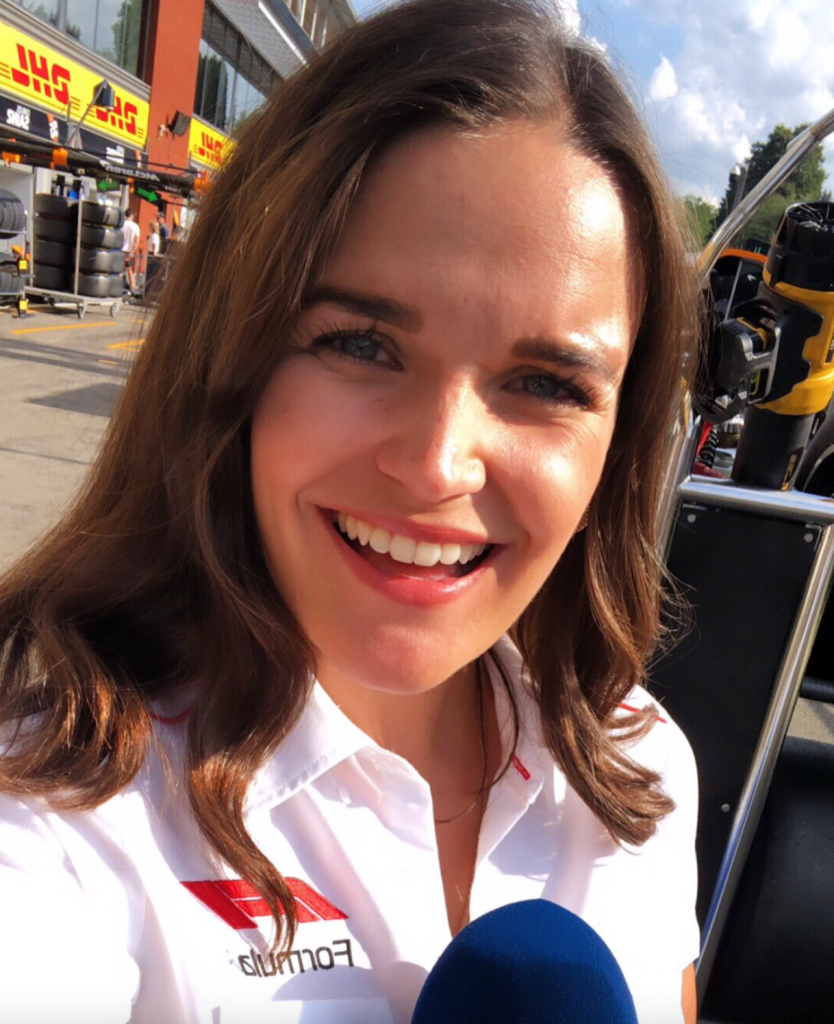
We can no longer simply celebrate seeing women on screen covering sport, or with bylines newspapers, when they’re continually treated like outsiders in this industry.
They shouldn’t be isolated, they shouldn’t be met with any form of resistance, they shouldn’t receive hundreds of sexist messages and they certainly shouldn’t be made to feel unsafe whilst doing their job.
We may have broken through the glass ceiling and the times may have changed, but the hurdles are still crystal clear.
“It needs to be equal for everybody and I do think that is changing, I think it’s still a slow process, but believe me there are amazing women in this industry, who if you come into it, will look after you,” Carruthers concludes, with a tone of hope in her voice.
“I didn’t have that when I started, I didn’t have anybody who could guide me or put a supportive arm around me if somebody was inappropriate with me in the workplace.
“Someone who I could go to and say that I don’t feel comfortable with something, can they help me as I don’t know what to do. I didn’t have that, but that’s there now.
“I think that’s really important. We all have a role to play, you’ll have a role to play in that going forward as well.
“We all have to do it together.”
 Hannah Pinnock Sports Blog