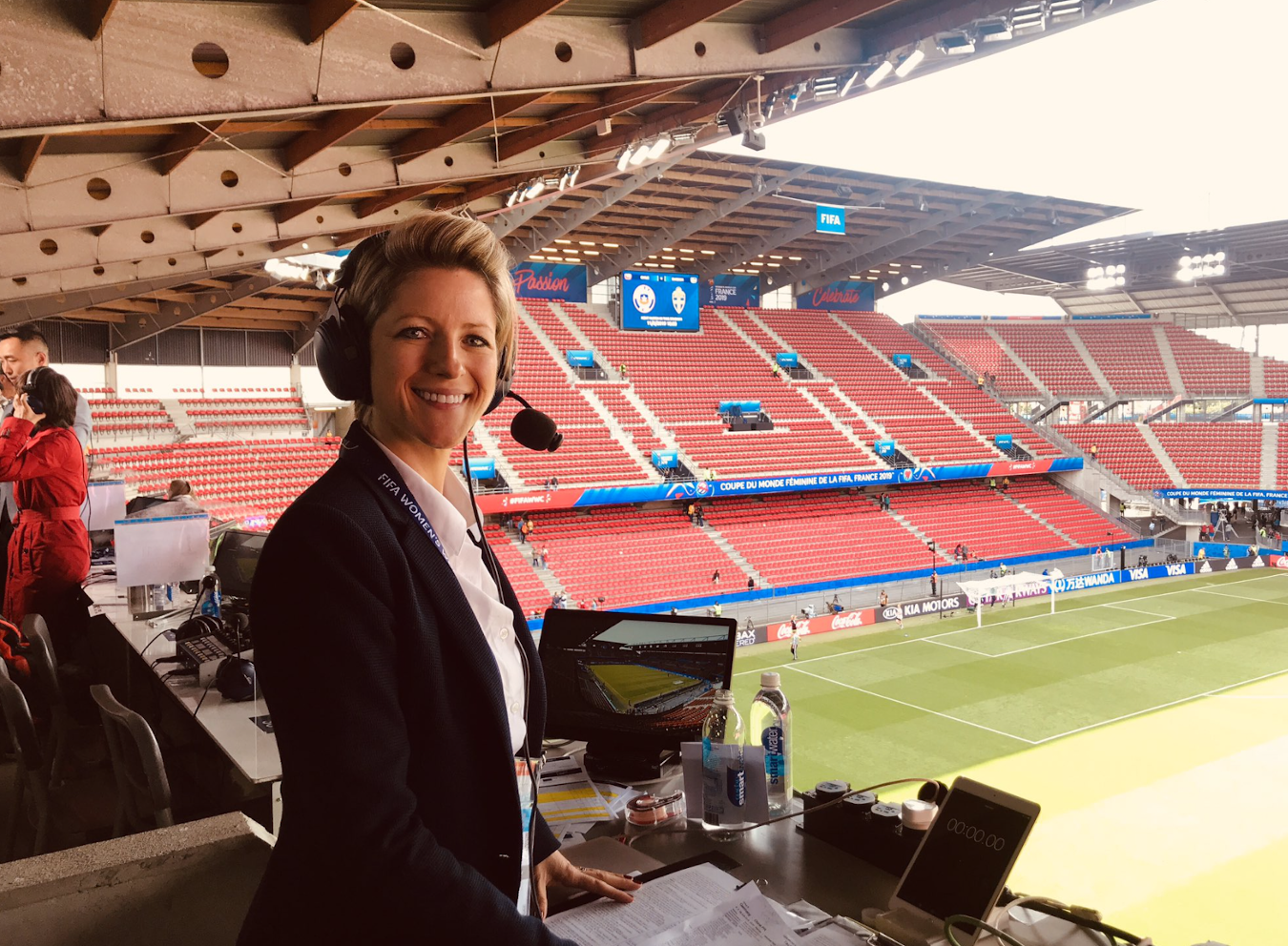
They were met with resistance and challenged at every corner, but their bravery and strength has shaped an entire industry.
It’s not very often you see journalists become the story, but when Jacqui Oatley received a phone call asking her to commentate on Fulham v Blackburn for the BBC’s Match of the Day in 2007, the headlines were already written.
No woman had commentated on the broadcaster’s popular football show before and Oatley was set to become the first.
“It wasn’t very nice, it was pretty unpleasant, and I didn’t enjoy it for a nanosecond,” Oatley says, speaking about her debut TV appearance. “But that’s life and you can’t choose whether you make the news or not!
“It was the subject of every phone in debate and then some people in football said some quite mean and sexist things, so it just blew up into this crazy debate.”
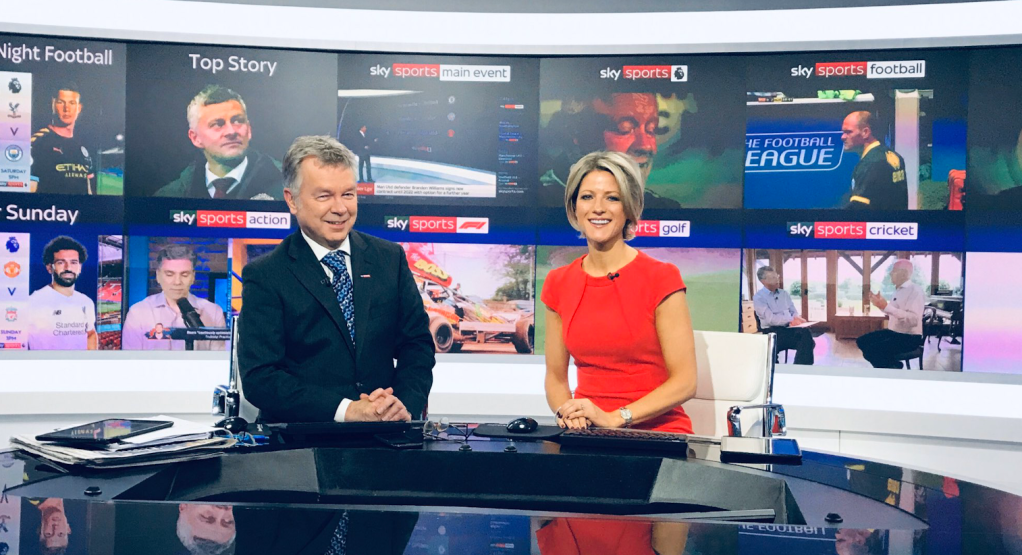
Preparation is key for any commentator, but in the midst of all the chaos, Oatley could only start preparing the night before the fixture.
Once word had escaped into the national press just days before the game, her phone was constantly buzzing with emails, messages and interview requests – the spotlight was well and truly on the Wolverhampton-born journalist.
It was a landmark moment in TV history, and for women aspiring to work in the sports media up and down the country, a sign of hope that opportunities were becoming available.
The reaction and backlash, however, only demonstrated just how much further we still had to go to alter the attitudes of many to ensure sport is an inclusive environment for everyone.
“Hands off girls; Match of the day is ours” wrote Declan Lynch in the Irish independent, “Women should only be allowed to commentate on women’s football (bloody awful waste of time that is, too!), and men should only be allowed to cover the male game,” was just one of the hundreds of comments posted onto an online fan forum.
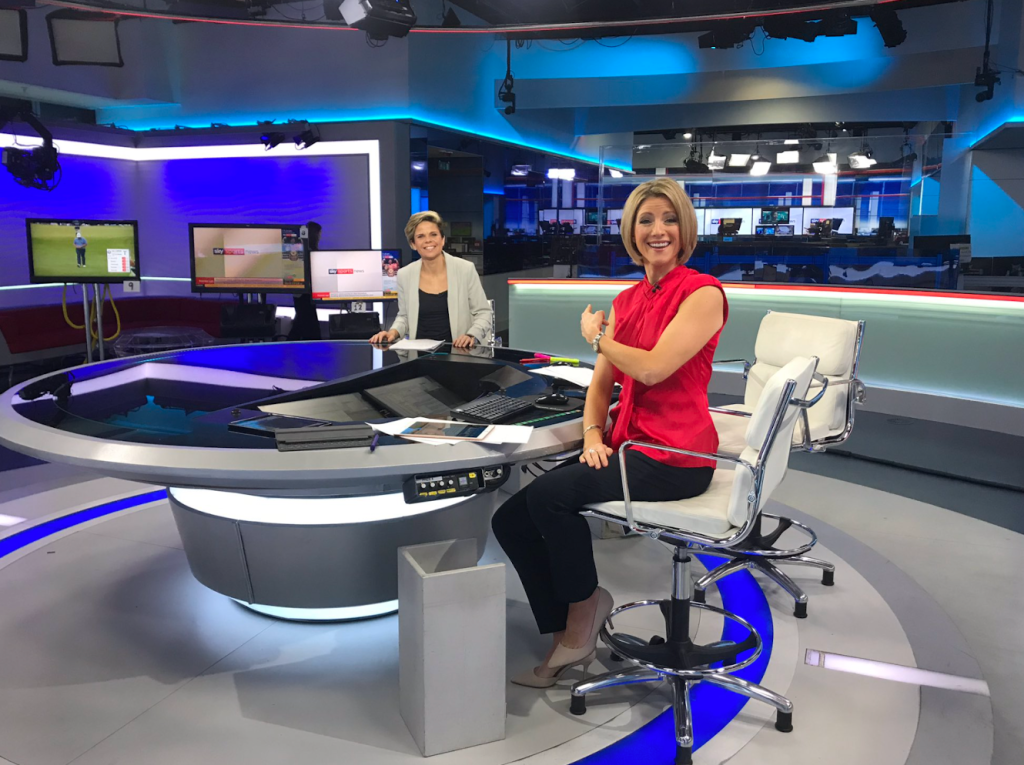
Social media is by no means a safe space for many users, particularly women working in a male dominated industry, but Oatley does believe the online presence she has today could’ve reduced the amount of backlash she faced when she made her Match of the Day debut.
Platforms, such as Twitter, have given female Sports Journalists a voice, and they’re able to prove their knowledge and passion for the game on a continual basis.
“I don’t know what that fury would’ve been like in 2007 had Twitter come along a few years earlier, I joined Twitter exactly two years later and I’ve been pretty active on it ever since.
“There’s a part of me that thinks I might’ve been better off if there had been Twitter because at least I would’ve had a footprint, people weren’t able to see that I tweet about matches all the time.
“I didn’t have an online presence, I didn’t have a website, Wikipedia or anything like that in those days, there was only one interview I’d ever given and that was with my local newspaper.
“People didn’t know me and made a lot of assumptions, very lazy assumptions, that they’d grabbed a girl from the office because they wanted to stick a woman on Match of the Day, nobody really gave me much credit for my background.
“But then again, if I did have Twitter at the time, it might have been hideous! Although I think there would’ve been lots of people who would’ve gone into battle for me, people who know me, colleagues and what have you.”
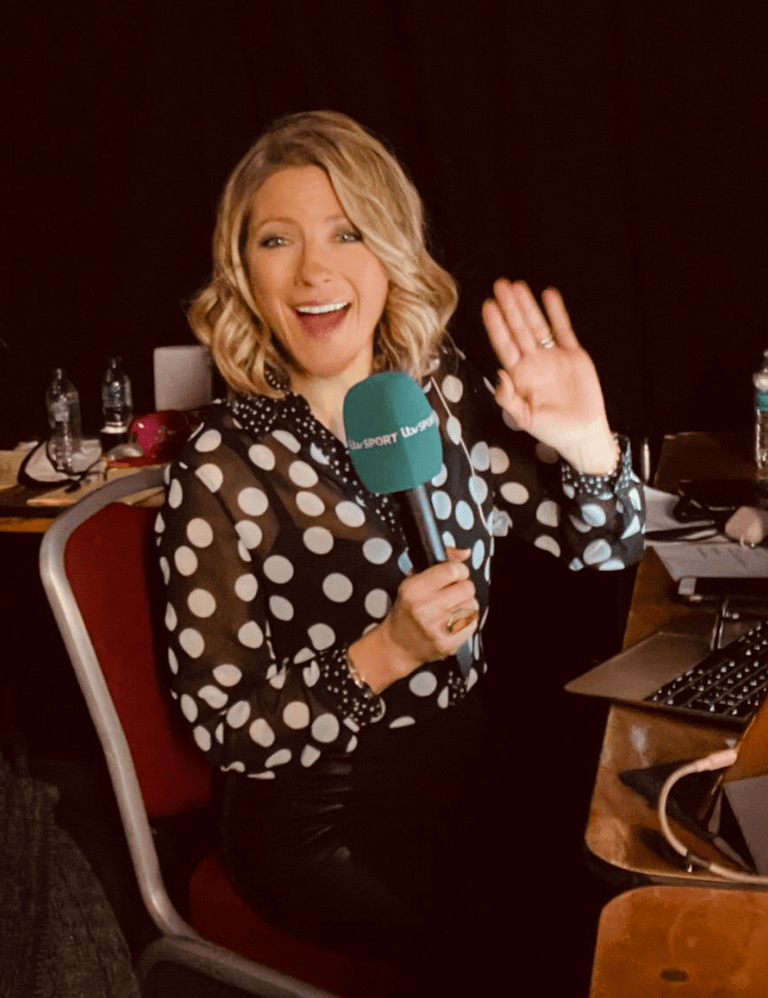
13 years on, Oatley is able to see the silver lining in what was one of the most challenging weeks of her career to date.
In many respects, the industry has come a long way since 2007 and she is now a well-recognised voice in sports broadcasting, it’s journalists like Oatley that have opened the door to so many that have followed in her footsteps.
“The good thing about it, whilst I didn’t enjoy it and would’ve much rather not been the first female,” she continues. “It meant the next person that came along didn’t have that massive burden on their shoulders.
“And the next person after that didn’t have the burden and they could just get on with it, and I’m genuinely really happy about that.
“Other female commentators I know are able to just get on with the job, of course they’re still scrutinised, but they didn’t have that the whole front page news stress that I had.”
It’s crazy to think that it took until 2007 for the BBC to have a female commentate on Match of the Day, but women have been ‘breaking down doors at the gentleman’s club’ for decades before Oatley stepped into the commentary box.
In her book ‘The Fleet Street Girls: The Women Who Broke Down the Doors of the Gentleman’s Club’, Julie Welch talks about the women in Fleet Street in the 1970s and 80s that were among the first to appear in sports reporting.
It was on a hot summer’s day in August 1973 that Welch became the first female to report on a football match at Coventry City, a job she continued for 14 years at the Observer.
In the late 70s, Sue Mott then began covering football for the Sunday Times – but the press box was a lonely place for a female in those days.
Women were subjected to continuous verbal harassment by other reporters and journalists both in the press box and in external coverage in newspapers and magazines.
A football magazine called ‘Foul’ contained a comic strip depicting “Miss Julie” and not only did it criticise her work, but it also insinuated that she slept with footballers.
Like Oatley, Welch was another journalist that had ‘become the story’ and was left full of fear every time she stepped into a press box.
Over 30 years on from a woman reporting on a football match for the first time, Oatley prepared to become the next female pioneer in the industry, and it was clear that sexism was still rife.
Oatley adds: “The fact that when I started it seemed to be okay to make sexist comments, for people in football, Dave Bassett was one that openly said women can’t possibly do this job and that nobody wants them to.
“It wasn’t acceptable then, by the way! But I do think more old school men made those comments and not just them, younger people I think expressed more freely women shouldn’t do the job and that ‘there’s one place men can go and that’s to watch Match of the Day without a woman being there and everywhere else they’ve ‘infiltrated our lives’.
“Whereas now I don’t really think it’s acceptable amongst your peers for you to say that, amongst your family members, without you being challenged.
“Some lads will still say stuff like that in the comfort of their own home or with their mates in a WhatsApp chat, I’m not naïve at all! But it is now less socially acceptable to express those views and therefore there is a lot more awareness about diversity and a lot more awareness amongst bosses of what women can experience because now women are a lot more likely to talk about it.”
When you look at the levels of sexist abuse women in the industry receive today, it’s a harrowing realisation that those who came before experienced far worse.
But those women stuck it out, no matter how awful it must have been or how much they wanted to leave, and their strength laid the groundwork for every woman who came after them.
‘Being the story’ as a journalist is never ideal, but in this case, it helped shape an industry for the better and as more young women enter the world of sports media, we cannot forget those who made it possible.
 Hannah Pinnock Sports Blog