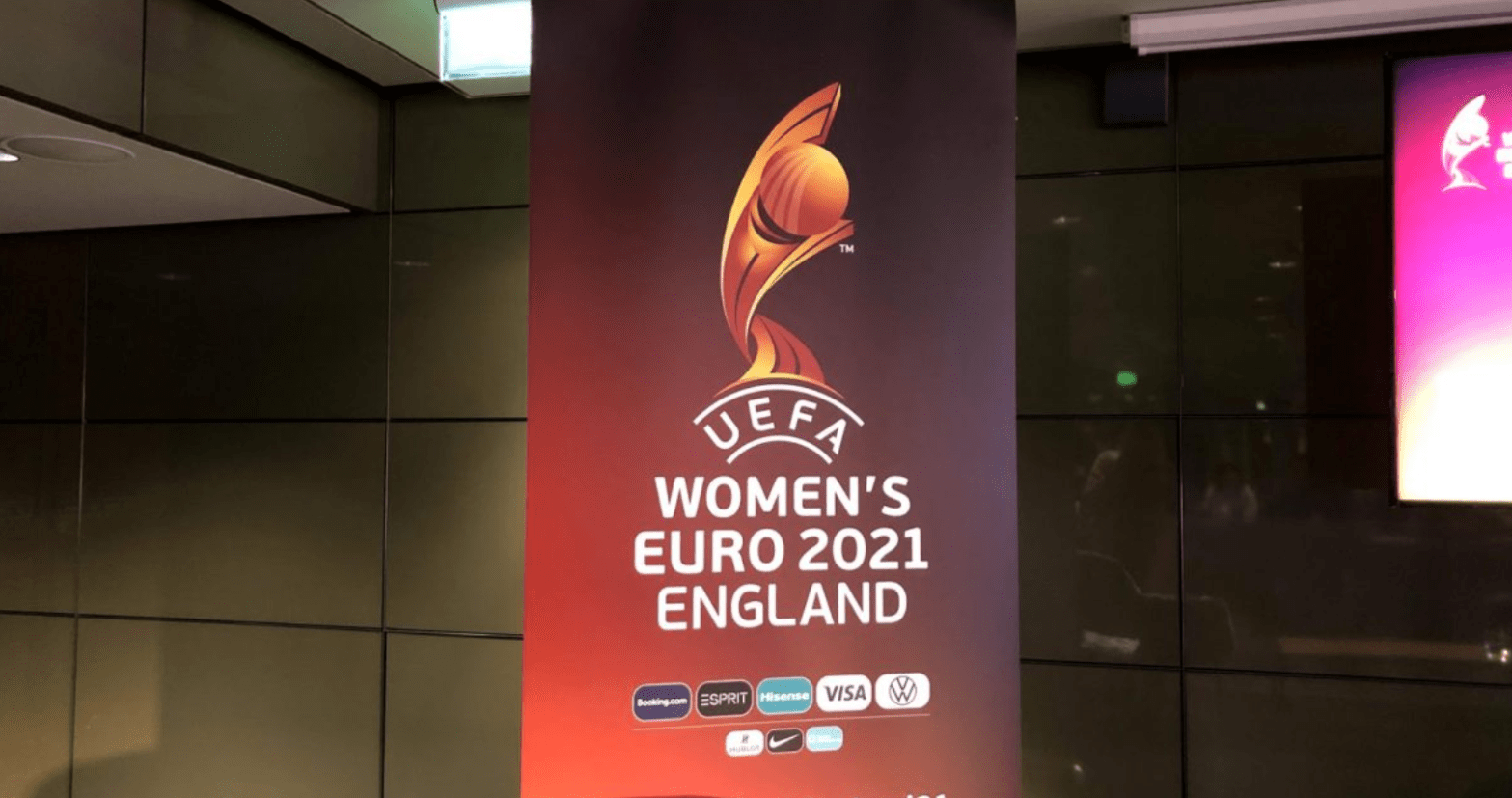
It was announced on Tuesday that, as a result of the COVID-19 outbreak, UEFA Euro 2020 would be postponed by a year.
The rescheduled tournament will now take place from June 11 2021 to July 11 2021
In a statement, UEFA outlined the intention of the delay, saying priority has been given to domestic competitions and this should hopefully allow for their completion.
In the same statement they noted that “decisions on dates for other UEFA competitions, whether club or national team for men or women, will be taken and announced in due course.”
There is no doubt UEFA have made the right decision in pushing the championship back a year, but there is understandably concern surrounding what will happen to the women’s tournament.
The UEFA Women’s Euros was set to kick off at Old Trafford on July 7 2021 and conclude at Wembley on Sunday August 1.
Should the Women’s Euros be moved?
The upheaval of the professional calendar is likely to see the competition moved, with some suggesting it will now take place a year late in 2022.
Whilst the dates only see the men’s and women’s euros overlap by one match day, the decision will largely depend on UEFA’s stance of the women’s Euros having the platform and visibility it deserves.
By hosting both tournaments in the same summer, the women’s competition could be overshadowed and viewers as well as attendances could take a hit.
The intensity of the men’s calendar could leave little room and interest for another three-week tournament.
Whilst no decision has been made on the women’s Euros, it is likely UEFA are considering their options as back-to-back tournaments could potentially be a positive thing.
Rather than competing against the men’s Euros, the women’s tournament could work alongside it in what could be an exciting summer of football.
https://platform.twitter.com/widgets.jsWould be incredibly special if we were able to have the Women's Euros at a similar time to the men's.
— Ben Haines (@benhainess) March 17, 2020
Huge opportunity to bring eyeballs & engage those who haven't given the women's game a chance, by creating a 'Summer of football' irrelevant of it being Men's/Women's games.
Only last month journalists were invited to Wembley to mark 500 days until the UEFA Women’s Euros was to kick off in 2021.
This was followed by the announcement that Old Trafford was to host the Lionesses opening game, a real statement of intent from the FA in their planning of the tournament.
Of course, these are unprecedented circumstances and with the men’s Euros initially due to take place this summer, it was logistically the first thing UEFA had to deal with and make a decision on.
But the uncertainty surrounding the tournament is worrying to fans of the women’s game but a decision must be made soon as any delays could impact further on the sporting calendar.
There remains question marks over the 2020 Olympics, where Team GB field a women’s football team, but also qualification for the 2023 Women’s World Cup would begin in 2022.
An England perspective
Hosting a home tournament is major for England and winning it is the aim for the FA, players and fans alike.
For some players though, Euro 2021 was likely to be their last major tournament – especially their last chance to play a home tournament.
By pushing it back a year, some of the Lionesses may miss out on that opportunity, although it would provide young players with more time and the chance to earn a place in the team ahead of 2022.
For Phil Neville, his contract is up for renewal in 2021 following the conclusion of the Euros.
By postponing the championship, there are likely to be question marks over the England manager’s future and whether he will lead the Lionesses through the tournament.
In unprecedented times, UEFA have another massive decision to make in terms of benefits and disadvantages to keeping the tournament as it is, or moving it back a year.
 Hannah Pinnock Sports Blog